Do Cockroaches Die in the Winter? Indoor Roaches Don't. Here's What Changes
 ✓ Reviewed by Emanuel Jaramillo
Published · Last reviewed · 4 min read
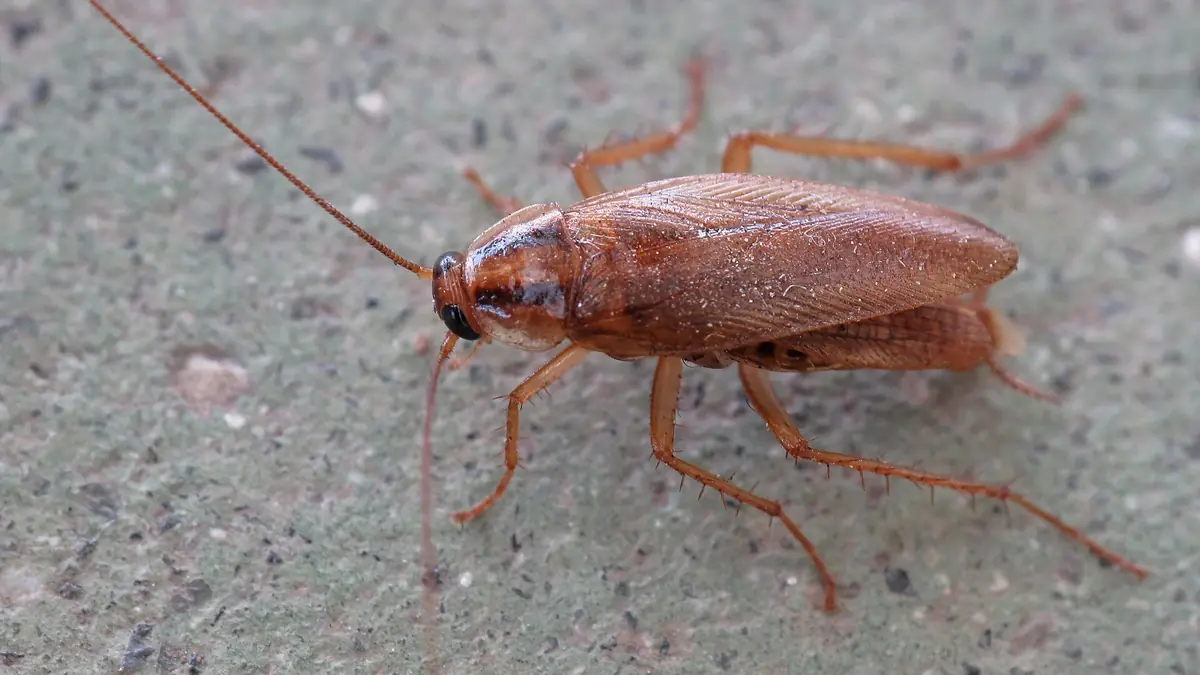
Indoor cockroaches do not die in the winter. The German cockroach, the most common roach in homes, lives indoors and the University of Kentucky says it does not occur outdoors at all (UKY). A heated house keeps it breeding all year. Outdoor species such as oriental and wood cockroaches slow down in the cold, and some move inside to get out of it.
So winter is not a time to wait it out. It can be a good time to treat, because roaches are concentrated near heat and water.
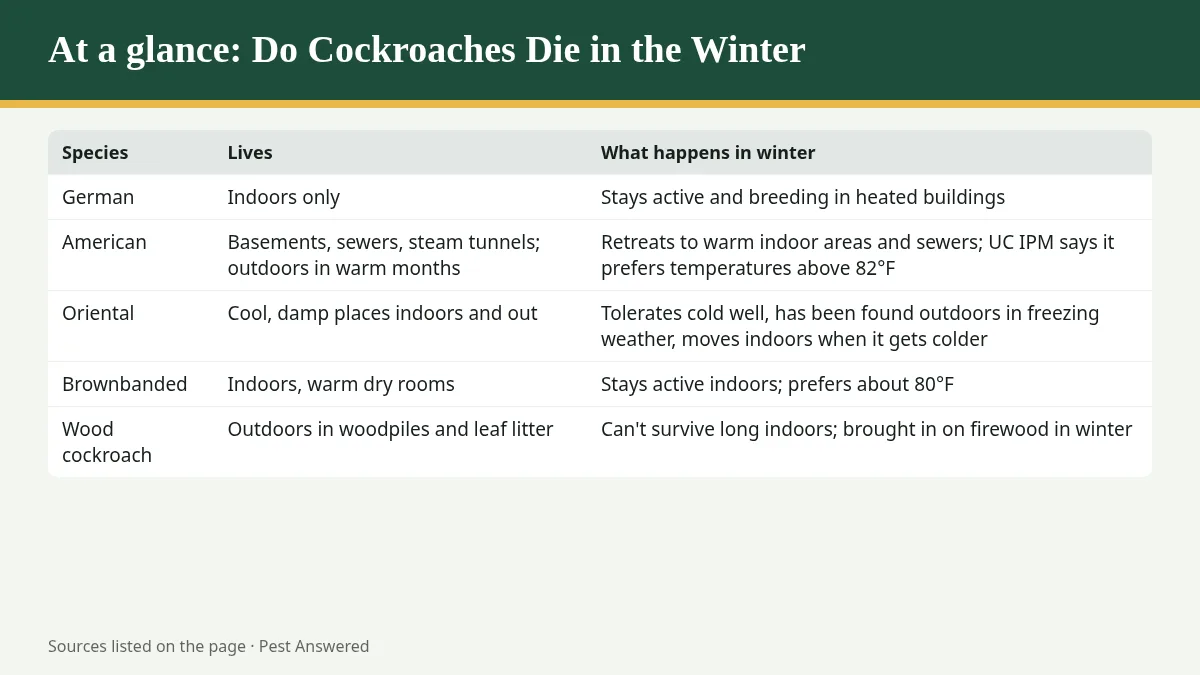 Graphic: summary of this guide, made by our team from the cited sources.
What winter does to each species
| Species | Lives | What happens in winter |
|---|---|---|
| German | Indoors only | Stays active and breeding in heated buildings |
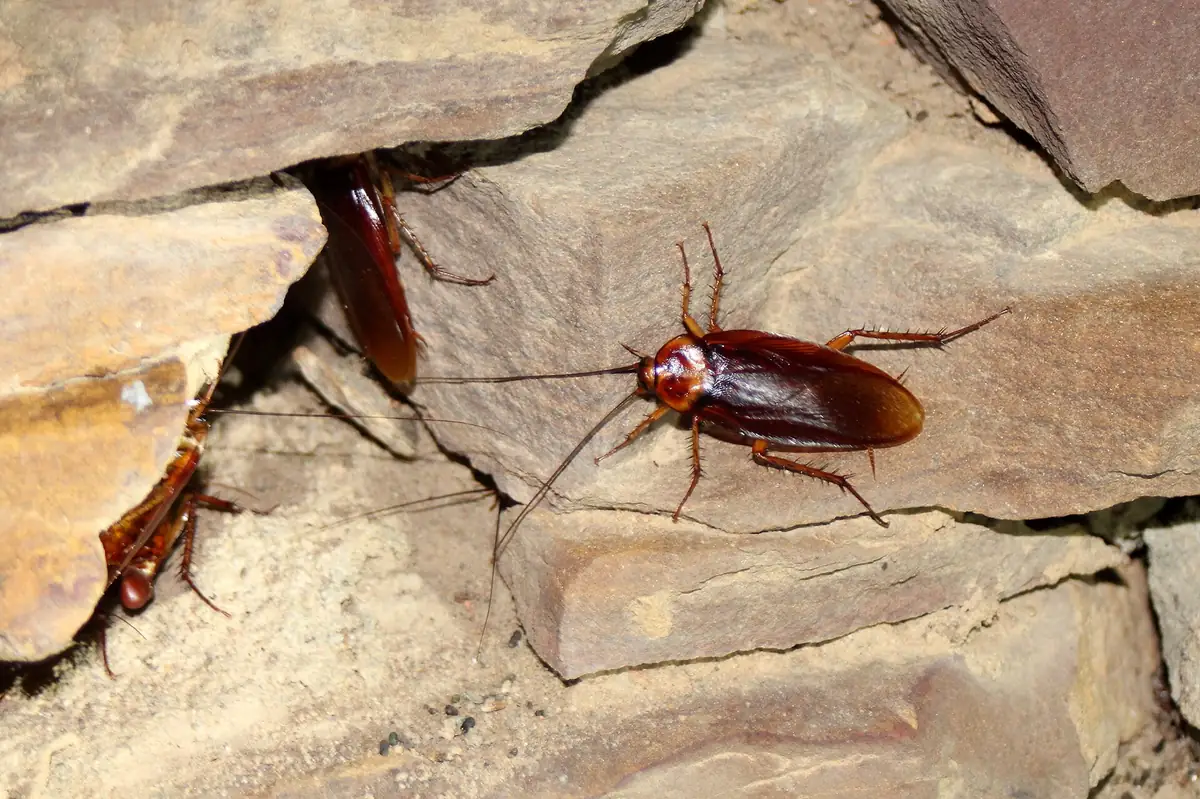
| American | Basements, sewers, steam tunnels; outdoors in warm months | Retreats to warm indoor areas and sewers; UC IPM says it prefers temperatures above 82°F |
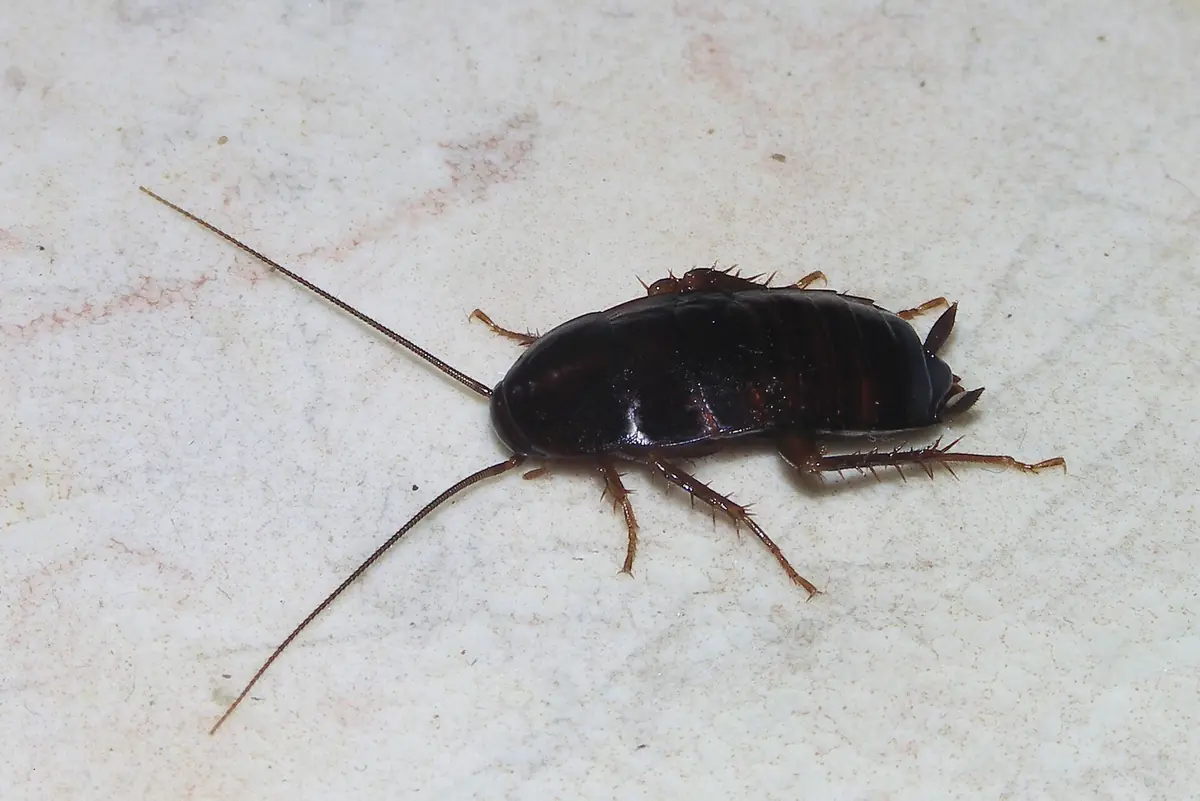
| Oriental | Cool, damp places indoors and out | Tolerates cold well, has been found outdoors in freezing weather, moves indoors when it gets colder |
| Brownbanded | Indoors, warm dry rooms | Stays active indoors; prefers about 80°F |
| Wood cockroach | Outdoors in woodpiles and leaf litter | Can't survive long indoors; brought in on firewood in winter |
Sources: German from UKY; American and brownbanded temperatures from UC IPM; oriental from UMN Extension and UF IFAS; wood cockroaches from UKY and Penn State.
How cold does it have to be?
Colder and longer than a house gets. In a 1973 laboratory study, no stage of American or German cockroaches survived 40 days held at about 5.5°C (42°F), while older nymphs of the smokybrown cockroach survived 90 days (Tsuji and Mizuno 1973). That is weeks of steady cold with no warm refuge. Inside a home, German cockroaches stay near plumbing fixtures, in cracks in cupboards and under sinks, according to the University of Minnesota, so they rarely meet that kind of cold.
The University of Minnesota uses cold on a small scale: put an infested item, such as a toaster or clock, in a sealed plastic bag and freeze it, or set the bag outside in winter when it is near 0°F and leave it for 5 days (UMN Extension). That works for objects, not houses. A heated home never gets cold enough, for long enough, to clear an infestation.
Why a heated house suits German cockroaches
German cockroaches favor warm, humid spots between 70° and 75°F, close to food and water (UC IPM). That is a normal kitchen in January. An adult can hide in a crack 1/16 inch wide, and nymphs use even smaller ones (UC IPM).
They breed fast all year. The female carries an egg case of about 30 young until a day or two before it hatches, and can make a new one every few weeks (UC IPM). UC IPM estimates one female and her offspring can produce over 30,000 roaches in a year (UC IPM). A few roaches in November can be a real problem by March.
Signs of roaches in winter
Roaches hide by day, so look for what they leave behind:
- Droppings: dark specks or smears in cabinet corners, behind drawers and under the sink (UC IPM).
- Shed skins and egg cases in dark, damp crevices (UC IPM).
- Nymphs. Young roaches are usually the most common stage in a population (UC IPM). Small wingless roaches mean they are breeding inside.
- Sticky trap catches. Put traps where floors meet walls, behind the fridge and stove, and in cabinets. Check them daily for several days. Many roaches get caught in the first 24 hours (UC IPM).
A single large dark roach by a basement drain in cold weather is usually an oriental roach that came in from outside. Several small tan roaches in kitchen traps point to German cockroaches living indoors.
Why you may see more roaches in winter
- Outdoor species move in. The University of Florida says oriental cockroaches often seek refuge indoors when temperatures drop (UF IFAS).
- Firewood. The University of Kentucky says wood cockroaches are brought into homes in firewood during winter (UKY). Penn State says they dehydrate and die quickly indoors, so they are a nuisance rather than an infestation (Penn State).
- Bags and boxes. The University of Kentucky says German cockroaches are often brought in with infested grocery bags, beverage cartons or furniture, and the University of Minnesota advises checking bags, boxes and luggage for roaches or egg capsules. Winter deliveries are worth a quick look before the boxes go into a closet.
If you are not sure what you're seeing, our guide on cockroaches vs water bugs helps with the dark basement roaches, and the page on bugs that look like cockroaches covers wood roaches and beetles.
What to do in winter
- Bring in only as much firewood as you will burn in a few hours, and keep the woodpile away from the house, as Penn State advises.
- Seal gaps at doors, vents and pipe openings before the cold drives outdoor species in.
- Place baits where roaches feed and hide: under appliances, along walls and in cabinets, and next to the droppings they leave, which UC IPM says contain an attractant.
- Freeze small infested items using the University of Minnesota method above.
- Treat German cockroaches now, not in spring. They will keep breeding through the winter.
- Skip foggers. UC IPM says foggers and bug bombs can be hazardous and may push roaches into other areas without killing them. Gel baits and bait stations work better, but it may take 7 days or longer to see fewer roaches (UC IPM).
Frequently asked questions
Will cockroaches die if I turn off the heat?
Not in a normal home. Lab work found German and American cockroaches died after about 40 days at around 42°F; a house rarely stays that cold that long, and roaches find warm spots near appliances and pipes.
Do roaches hibernate?
Not the way mammals do. Outdoor species slow down in cold weather and hide in sheltered spots; indoor German cockroaches stay active all year.
Can freezing kill roaches on an item?
Yes, for small items. The University of Minnesota suggests sealing an infested item in a plastic bag and freezing it, or leaving the bag outside near 0°F for 5 days in winter.
Why do I see roaches in winter?
Indoor species never left. Oriental and other outdoor roaches also move inside when temperatures drop, and wood roaches can come in on firewood.
Sources
- ENTFACT-614: Cockroach Control, University of Kentucky Entomology
- Cockroaches, University of Minnesota Extension
- Pest Notes: Cockroaches (Pub. 7467), UC Statewide IPM Program
- Oriental Cockroach (EENY-159), University of Florida IFAS
- Wood Cockroaches, Penn State Extension
- Tsuji and Mizuno (1973), Effects of a low temperature on the survival and development of four species of cockroaches, Japanese Journal of Sanitary Zoology
Spotted an error? See our corrections policy or email contact@pestanswered.com.

Pest Answered Editorial Team
Our editors research each guide from the listed sources and check every claim before publishing. Editorial policy
Emanuel Jaramillo
Expert Contributor, Pest Control
Emanuel Jaramillo has 12 years of hands-on pest control experience and is bilingual in English and Spanish. He contributes field tips and reviews our practical guides on pest signs, identification, prevention and…
Related guides
-
 Cockroaches
How Long After Treatment Do Roaches Die? A Realistic Timeline
A roach that eats bait usually dies within 1 to 3 days, but clearing an infestation takes weeks because eggs keep hatching. What to expect week by week, and when to call back.
-
 Cockroaches
Bugs That Look Like Cockroaches (and How to Tell Them Apart)
Ground beetles, wood roaches, camel crickets, water bugs and bed bugs get mistaken for cockroaches. Here's how to tell each one apart in under a minute.
-
 Cockroaches
Cockroach Eggs: What They Look Like, Where They Hide, and How to Get Rid of Them
Roaches lay eggs inside a brown, bean-shaped case about 1/4 to 3/8 inch long. What each species' egg case looks like, where to find it, how long it takes to hatch, and what kills it.
-
 Cockroaches
Cockroach vs Water Bug: Usually the Same Insect, Sometimes Not
Most "water bugs" in homes are oriental or American cockroaches. A true water bug is an aquatic insect that bites and flies to lights. How to tell them apart and what to do.