How Long After Treatment Do Roaches Die? A Realistic Timeline
 ✓ Reviewed by Emanuel Jaramillo
Published · Last reviewed · 5 min read
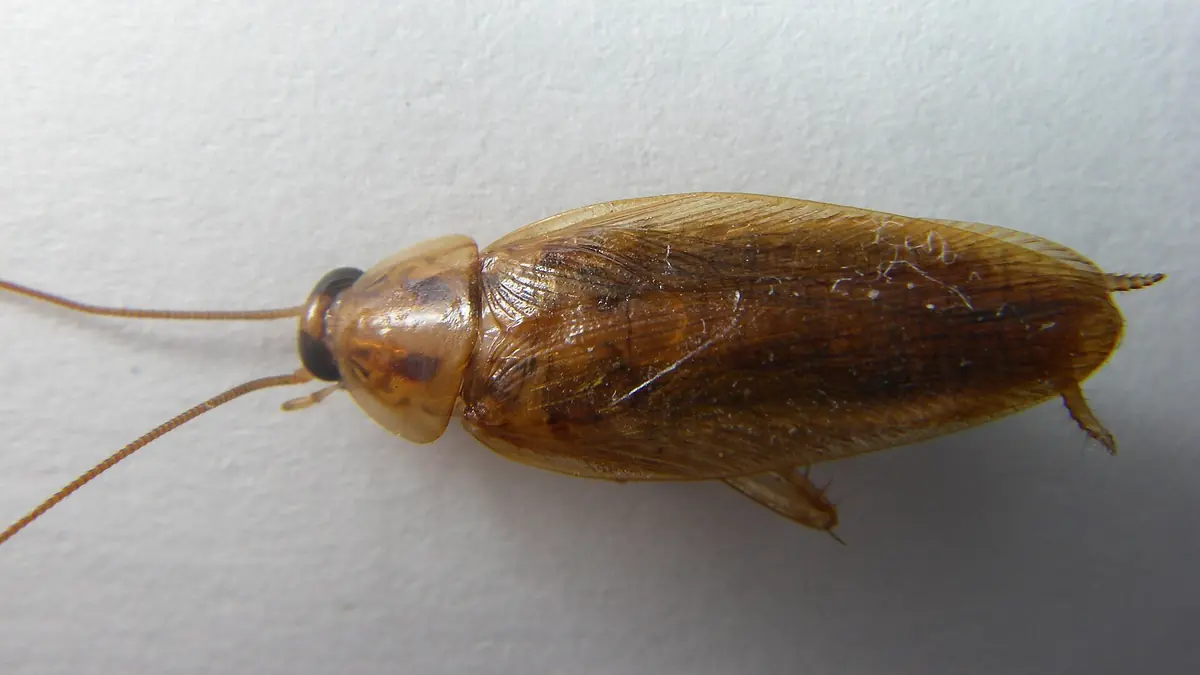
A cockroach that eats bait usually dies within 1 to 3 days. Clearing the whole infestation takes longer: the University of Kentucky says to expect a substantial reduction within a few weeks (UKY), and UC IPM says baits can take 7 days or longer before you see results (UC IPM). Plan on 2 to 4 weeks for a big drop and up to 6 to 8 weeks for German cockroaches to be gone, because eggs keep hatching after the first round.
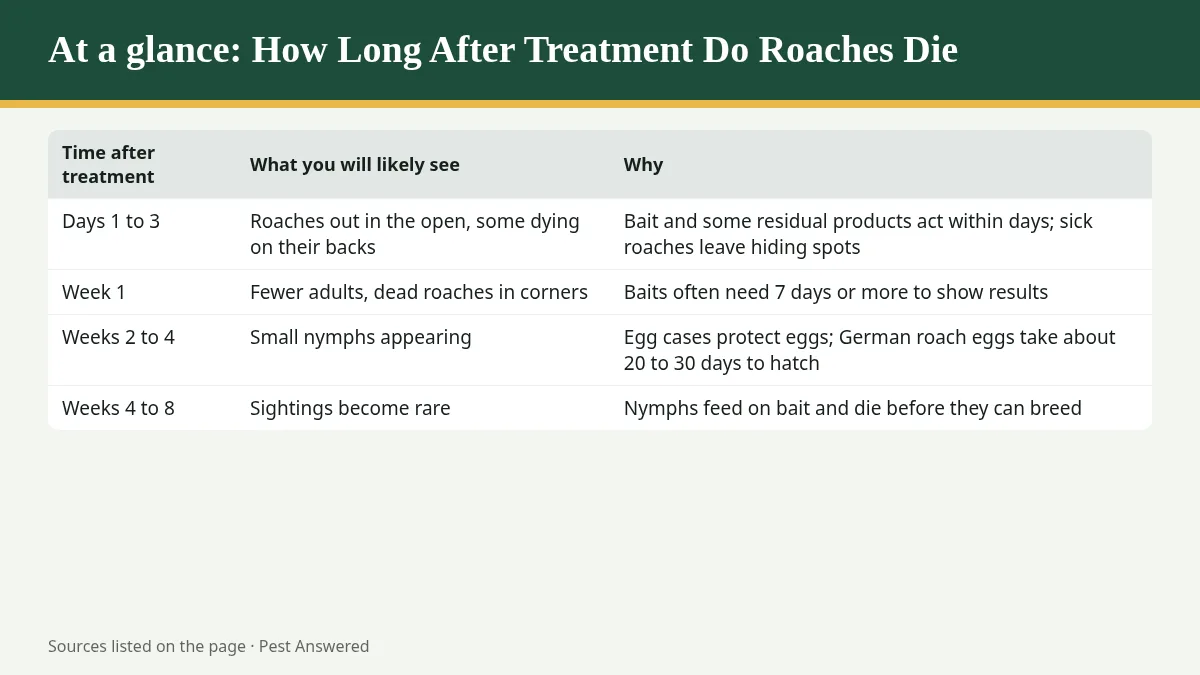 Graphic: summary of this guide, made by our team from the cited sources.
Week-by-week: what to expect
| Time after treatment | What you will likely see | Why |
|---|---|---|
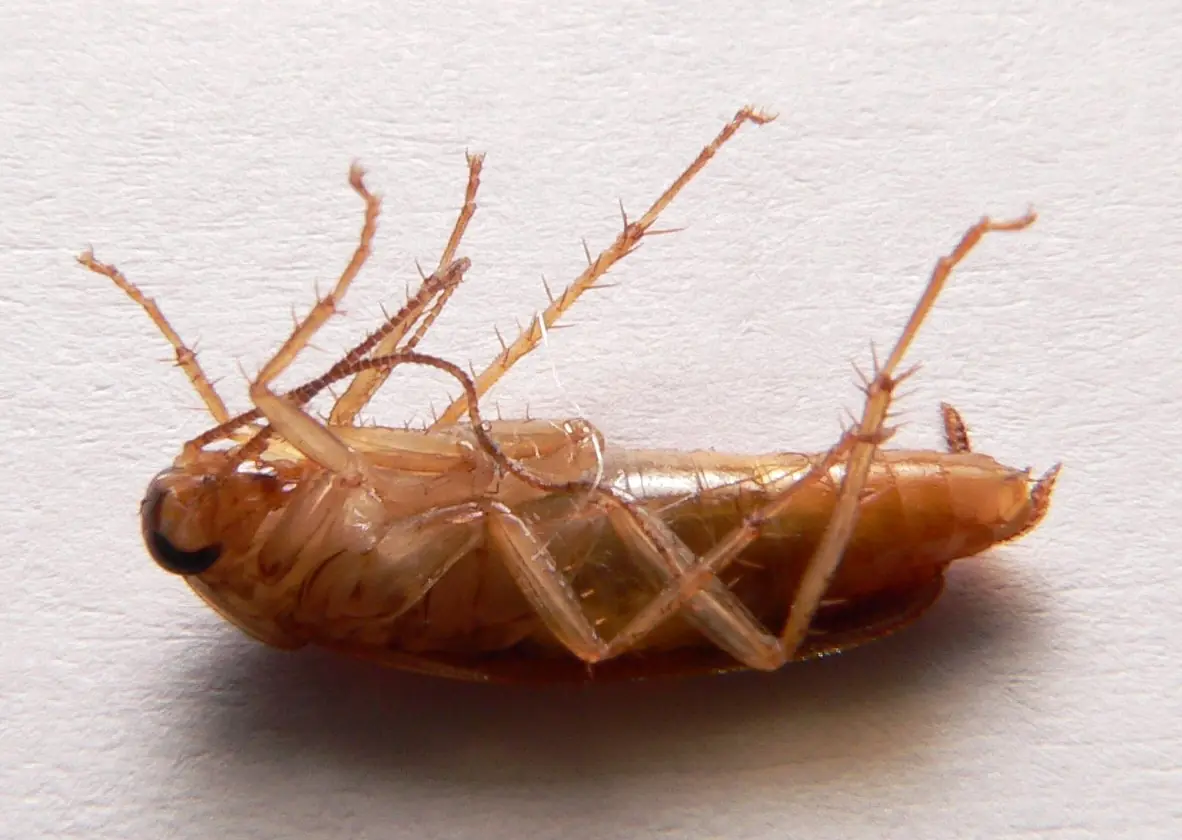
| Days 1 to 3 | Roaches out in the open, some dying on their backs | Bait and some residual products act within days; sick roaches leave hiding spots |
| Week 1 | Fewer adults, dead roaches in corners | Baits often need 7 days or more to show results |
| Weeks 2 to 4 | Small nymphs appearing | Egg cases protect eggs; German roach eggs take about 20 to 30 days to hatch |
| Weeks 4 to 8 | Sightings become rare | Nymphs feed on bait and die before they can breed |
Sources: 1 to 3 days and a few weeks from UKY; 7 days or longer from UC IPM; hatch timing from NC State. The 4- to 8-week window is our estimate from those hatch and development times.
The timeline depends on the product. Boric acid dust works more slowly: UC IPM says to expect 7 days or more for it too (UC IPM). Sprays kill on contact but don't give long-term control.
Timeline by treatment type
| Treatment | How it kills | What to expect |
|---|---|---|
| Gel or station bait | Roaches eat it and return to their hiding spots | A roach that eats bait typically dies within 1 to 3 days; a big drop within a few weeks (UKY) |
| Boric acid dust | Roaches walk through a thin film and swallow it while grooming | Works as long as the dust stays dry; 7 days or more (UKY; UC IPM) |
| Contact spray | Kills roaches it hits | Fast knockdown, but no long-term control (UC IPM) |
Baits are slow on purpose. The University of Kentucky says the delay lets roaches go back to their hiding spots after feeding, where they can affect others (UKY). Boric acid works best as a fine layer barely visible to the eye. Roaches avoid heavy piles of powder (UKY).
How eggs set the clock
German cockroaches take about 70 to 100 days to go from egg to adult. That is 20 to 30 days in the egg case, 40 to 60 days as nymphs, and 6 to 10 days before adults start breeding (NC State). Each case holds an average of 40 eggs (NC State). Eggs already in cases when the bait goes down keep hatching, so nymphs keep appearing for weeks. Those nymphs must find and eat the bait before they grow up and breed.
Other species hatch on different schedules. American cockroach egg cases incubate about 2 months or longer, and brownbanded cases several weeks (UC IPM). With American roaches, you may still see newly hatched nymphs a month or more after a good treatment.
Infestation size matters too. A female German cockroach can make 5 to 8 egg cases, 200 to 250 eggs, in her life (NC State). A heavy infestation simply has more egg cases hidden in more places, so it takes longer to clear.
Why you may see more roaches at first
It is common to see more roaches for a few days. Dying roaches wander into the open, and some products flush them from cracks. The bigger reason roaches keep showing up is eggs. German cockroach females carry the egg case until it is almost ready to hatch, and UC IPM says females carrying egg cases feed little, so they may survive long enough to release their young (UC IPM). Our guide to cockroach eggs and egg cases explains how long each species takes to hatch, and why you see more bugs after pest control covers the same effect with other pests.
How to help the treatment work
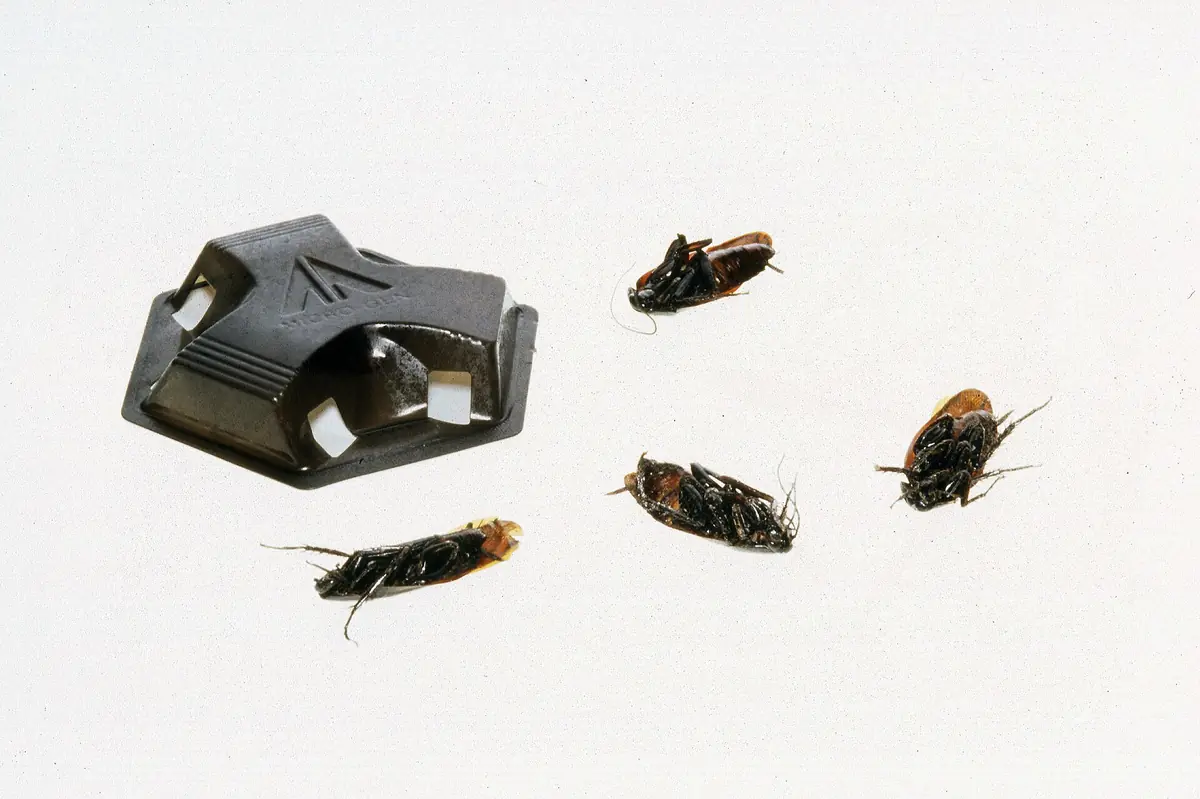
- Take away other food. Wipe counters, store food in sealed containers and empty the trash at night. Roaches eat the bait when it is the easiest meal.
- Leave bait placements alone. The University of Kentucky says not to spray cleaning agents or other insecticides around bait placements, because that can discourage roaches from taking the bait.
- Fix water sources. Repair drips under sinks and dry out wet cabinets.
- Don't add a store-bought spray or fogger. UC IPM warns that foggers, bombs and aerosol sprays can repel and scatter roaches to other areas without killing them (UC IPM).
- Use sticky traps to track progress. Put a few along walls and count catches each week. Falling numbers mean it is working.
Is it safe to be home during and after treatment?
Follow the product label and your technician's instructions on how long to stay out and when kids and pets can return. The National Pesticide Information Center says to always read and follow the label directions, and it answers pesticide questions by phone, email or chat at 1-800-858-7378 (NPIC).
Signs the treatment is working
- Trap counts fall week to week. UC IPM suggests keeping records of how many roaches each trap catches before and after treatment to judge success (UC IPM).
- Dead roaches turn up, then stop. Finding dead roaches in the first week or two is expected with baits.
- Only small nymphs remain. Nymphs after week 2 usually came from egg cases laid before treatment. Adults in the same numbers as before are a warning sign.
- Bait is being eaten. Gel bait that disappears means roaches are feeding. Ask your technician to refill it rather than adding your own products.
When to call back
Ask for a follow-up visit if any of these is true after about 2 to 4 weeks:
- You still see live adults in the same numbers as before.
- Roaches appear in rooms where you didn't see them before.
- You see roaches out in daylight.
If baits stop working, NPIC notes that some cockroaches become resistant to certain pesticides or averse to certain baits, and suggests switching to a product with a different active ingredient or a different bait brand (NPIC).
NC State also reports that heavy exposure to sugar-containing baits can interfere with German cockroach control (NC State). If roaches walk past fresh bait without eating it, tell your technician so they can switch to a different bait.
Frequently asked questions
How long does it take for roaches to die after eating bait?
The University of Kentucky says a cockroach that eats bait typically dies within 1 to 3 days, with a large drop in numbers within a few weeks.
Why am I seeing more roaches after treatment?
Treatment can drive roaches out of hiding while they are dying, and nymphs keep hatching from egg cases that the treatment did not reach. Seeing some activity for a few weeks is normal.
When should I call the pest company back?
If you still see live adults in the same numbers after about two to four weeks, or roaches in new rooms, ask for a follow-up. Most German cockroach jobs need more than one visit.
Should I clean after the treatment?
Clean up food, grease and crumbs, but don't spray cleaners on bait placements or wipe treated cracks. Cleaning removes competing food so roaches eat the bait.
Sources
- ENTFACT-614: Cockroach Control, University of Kentucky Entomology
- Pest Notes: Cockroaches (Pub. 7467), UC Statewide IPM Program
- Biology and Behavior of the German Cockroach, NC State Extension
- Cockroaches, National Pesticide Information Center
Spotted an error? See our corrections policy or email contact@pestanswered.com.

Pest Answered Editorial Team
Our editors research each guide from the listed sources and check every claim before publishing. Editorial policy
Emanuel Jaramillo
Expert Contributor, Pest Control
Emanuel Jaramillo has 12 years of hands-on pest control experience and is bilingual in English and Spanish. He contributes field tips and reviews our practical guides on pest signs, identification, prevention and…
Related guides
-
 Cockroaches
Bugs That Look Like Cockroaches (and How to Tell Them Apart)
Ground beetles, wood roaches, camel crickets, water bugs and bed bugs get mistaken for cockroaches. Here's how to tell each one apart in under a minute.
-
 Cockroaches
Cockroach Eggs: What They Look Like, Where They Hide, and How to Get Rid of Them
Roaches lay eggs inside a brown, bean-shaped case about 1/4 to 3/8 inch long. What each species' egg case looks like, where to find it, how long it takes to hatch, and what kills it.
-
 Cockroaches
Cockroach vs Water Bug: Usually the Same Insect, Sometimes Not
Most "water bugs" in homes are oriental or American cockroaches. A true water bug is an aquatic insect that bites and flies to lights. How to tell them apart and what to do.
-
 Cockroaches
What Does a Cockroach Nest Look Like? Signs, Egg Cases and Where to Look
A cockroach nest isn't built. It's a crack crowded with roaches, dark droppings, shed skins and egg cases. What each sign looks like and where to look.