How Fast Do Cockroaches Multiply? Real Numbers by Species
 ✓ Reviewed by Emanuel Jaramillo
Published · Last reviewed · 7 min read
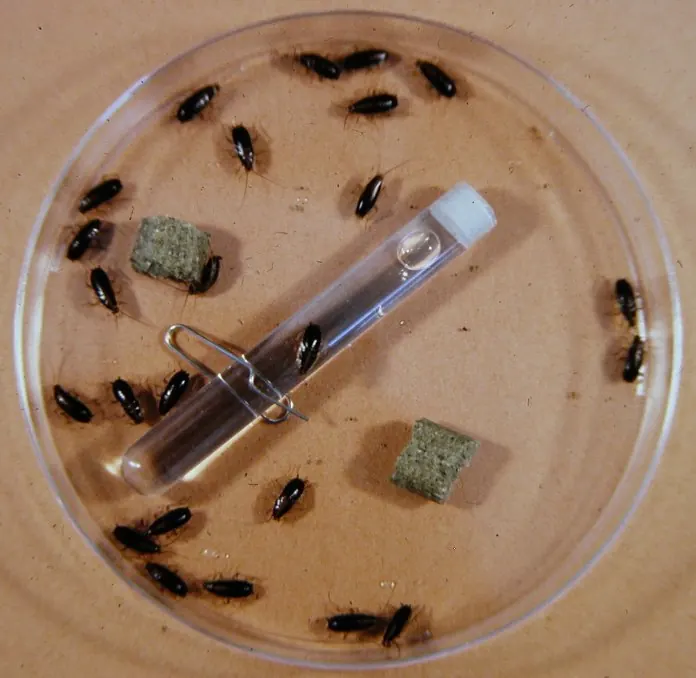
German cockroaches multiply fastest. UC IPM says a single German female and her offspring can produce over 30,000 roaches in a year (UC IPM Pest Notes: Cockroaches). Penn State gives a lower figure of over 10,000 descendants a year, assuming two generations. The other common house roaches are far slower: UC IPM puts the yearly potential at over 800 for American cockroaches, over 600 for brownbanded and nearly 200 for oriental.
Those are ceilings for perfect conditions, with every egg hatching and no roach dying. A real home has less food, less water and plenty of losses. The point still stands: a German roach problem left alone for a few months gets much bigger, and the other species build up slowly.
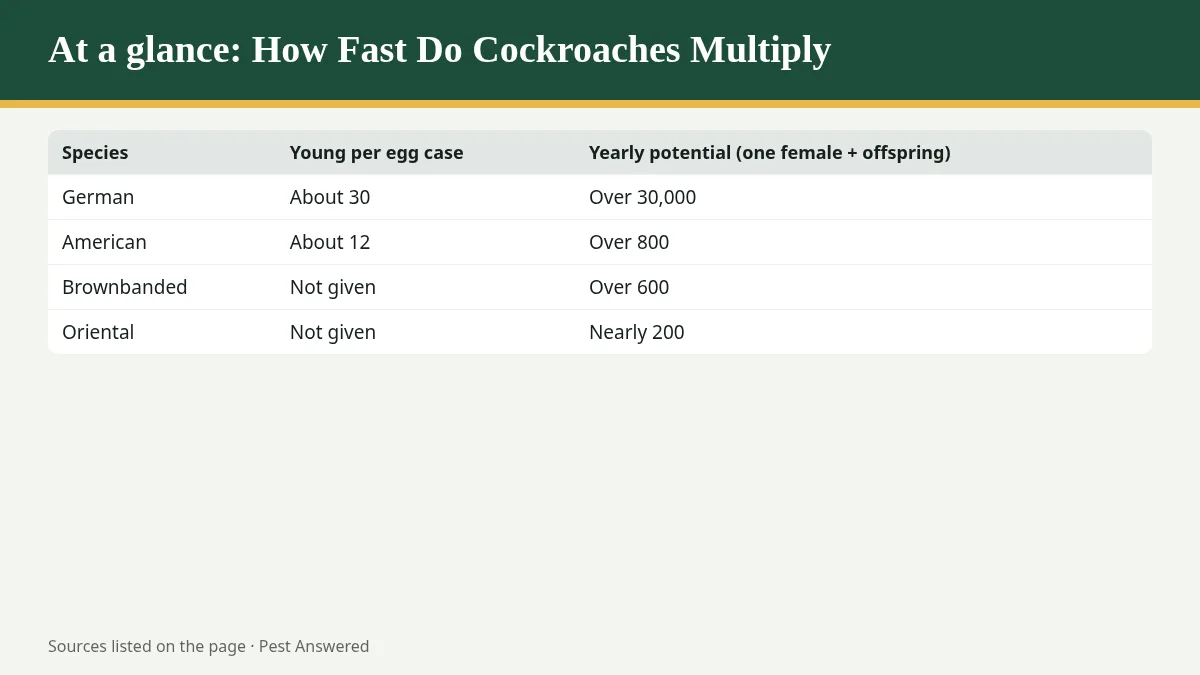 Graphic: summary of this guide, made by our team from the cited sources.
How fast each species multiplies
| Species | Young per egg case | Egg case timing | Yearly potential from one female and her offspring |
|---|---|---|---|
| German | About 30 | Female carries it until 1 to 2 days before hatching; a new case every few weeks | Over 30,000 |
| American | About 12 | Carried about 6 days, then glued down; hatches in about 2 months or longer | Over 800 |
| Brownbanded | Not given in our sources | Cases glued to hidden surfaces | Over 600 |
| Oriental | Not given in our sources | Not given in our sources | Nearly 200 |
Sources: all figures from UC IPM Pest Notes: Cockroaches, which also lists brownbanded cases glued to ceilings and under furniture. We left cells blank where our sources don't give a number rather than guess.
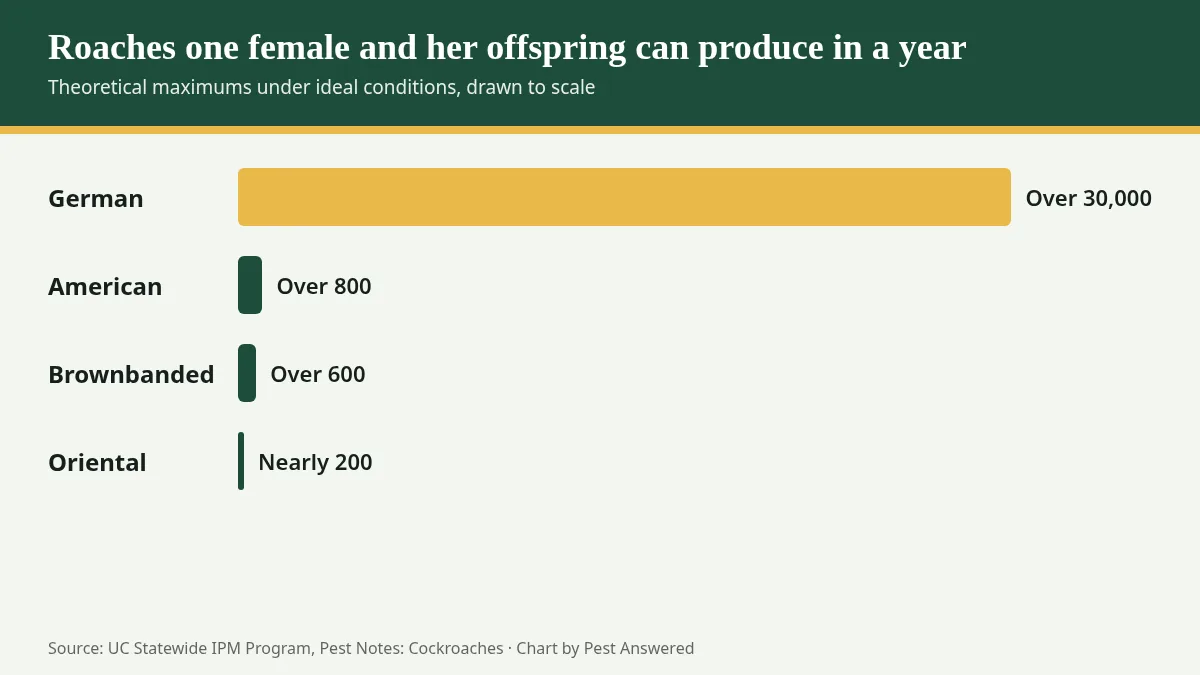 Chart: our team's chart of UC IPM's yearly figures. The German bar is not exaggerated: it really is that far ahead.
Why German roaches outbreed the rest
Three habits give German cockroaches their speed.
- The female protects her eggs. She carries the egg case for most of the roughly 30-day incubation and drops it only a day or two before it hatches, according to UC IPM. NC State Extension adds that carrying the case lets her move the eggs to the best spots in the building (NC State: Biology and Behavior of the German Cockroach). Species that glue their cases down leave them exposed for weeks.
- Short generations. NC State says it takes 70 to 100 days to go from egg to egg-laying adult: 20 to 30 days in the egg case, 40 to 60 days as a nymph, and 6 to 10 days to mate and start producing eggs. An American cockroach case alone takes about 2 months or longer to hatch, per UC IPM.
- Crowding speeds them up. NC State says physical contact with other roaches speeds up nymph development and the age at which they can breed. A crowded hiding spot grows faster than a sparse one.
Penn State gives a slightly different picture of the egg stage: up to 48 eggs per case, usually 30 to 48, and 4 to 8 cases in a female's life (Penn State Extension: German Cockroaches). Sources vary because lab conditions vary. Either way, the numbers are high.
The math behind the big numbers
Here is a simple version of the arithmetic using NC State's figures. It is our own back-of-the-envelope estimate, not a published model, and it assumes nothing dies.
- One female German roach lays about 200 to 250 eggs in her life (5 to 8 cases), per NC State.
- NC State says infestations run roughly 50/50 male and female, so about 100 to 125 of those young are females.
- If each of those daughters also lays 200 to 250 eggs, the next generation is about 20,000 to 31,000 roaches.
That lands right on UC IPM's "over 30,000 in a year" when two generations fit in a year. NC State's 70 to 100 days per generation leaves room for that. In a real home, many nymphs die and food is limited, so actual numbers are a fraction of this. But the shape of the curve is the same: slow for the first couple of months, then a jump.
What the first months look like in a home
This timeline is our reading of the NC State and UC IPM figures for one pregnant German female that gets into a home. Real timing shifts with temperature and food.
| Time after she arrives | What is happening |
|---|---|
| First month | Her first egg case hatches, about 30 nymphs. She may start another case within a few weeks. |
| Months 1 to 2 | Mostly small nymphs hiding near food and water. You may see one or two at night, or nothing at all. |
| Months 2 to 3 | The first young become adults and start their own egg cases. Females can breed 4 to 6 days after reaching adulthood (NC State). |
| Month 3 onward | Several overlapping generations. Roaches turn up in more places and sticky traps start catching many nymphs. |
Sources: 30-day incubation, about 30 young per case, and a new case every few weeks from UC IPM; nymph development and breeding age from NC State. The month labels are our estimate.
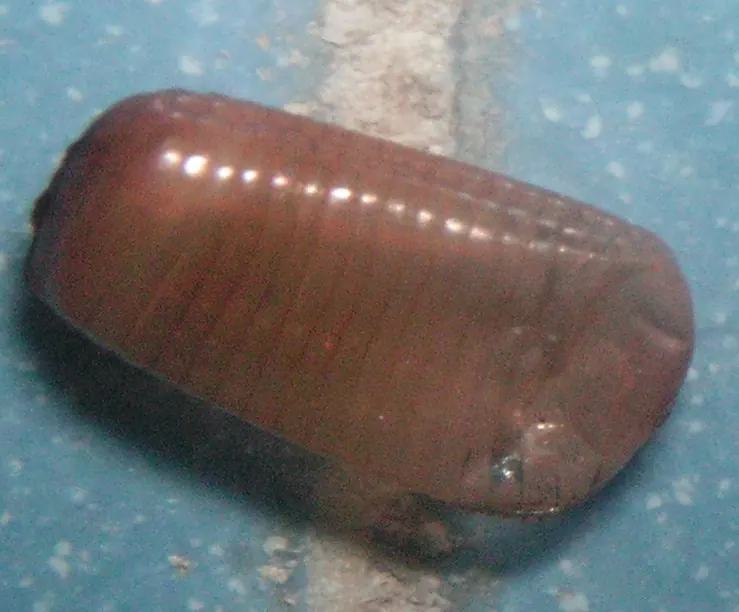
If you want to know what egg cases look like and where to find them, see our guide to cockroach eggs, where they hide and how to get rid of them.
Signs the population is growing
You rarely see a roach population grow, because roaches stay hidden. The University of Kentucky says they are more active at night and spend the day in cracks and dark, secluded areas (UK Entomology: Cockroach Elimination in Homes and Apartments). Watch for these instead:
- Lots of nymphs. UC IPM says nymphs are usually the most common stage. Many small, wingless roaches mean they are breeding in your home, not just wandering in.
- Roaches in new rooms. German roaches favor kitchens and bathrooms, per UC IPM. Finding them in other rooms as well can be a sign the hiding spots near food are crowded.
- Rising sticky trap counts. UC IPM calls sticky traps the best way to detect and monitor cockroaches. Put them along wall edges, in cupboards and under appliances, and check them daily for several days. Write down the count each week so you can see if it is going up or down.
- Roaches out in the daytime. Since they normally hide by day, a roach in plain view in daylight is worth investigating. Our page on why roaches come out at night and what a daytime roach means covers this.
How to slow it down
You can't stop roaches breeding, but you can cut what they need to survive and catch the egg-carrying females.
- Take away water. Fix leaky pipes and don't leave dishes with standing water overnight, as the National Pesticide Information Center advises (NPIC: Cockroaches).
- Take away food. Clean the kitchen and sink every night, store food in sealed containers, and close up pet food overnight (NPIC).
- Seal hiding spots. NPIC says tight cracks 3/8 inch or smaller are good hiding places. Caulk cracks around cabinets, backsplashes and pipes, and reduce clutter.
- Vacuum. UC IPM says vacuuming removes roaches, shed skins and egg cases. NPIC suggests sealing the vacuum bag in another bag right away.
- Use baits, and give them time. UC IPM says a bait program may take 7 days or longer to show results. Females carrying egg cases eat very little and avoid open spaces, so they are slower to take bait. That is why new nymphs can keep showing up after a treatment. For what to expect week by week, see how long after treatment roaches die.
- Work with your neighbors in apartments. NPIC says nobody will be able to eliminate the problem alone in a shared building.
Always read and follow the label on any pesticide product: the label is the law. If trap counts keep climbing after a few weeks of cleanup and baiting, or you live in a multi-unit building, call a licensed pest control professional.
Why the slower species still matter
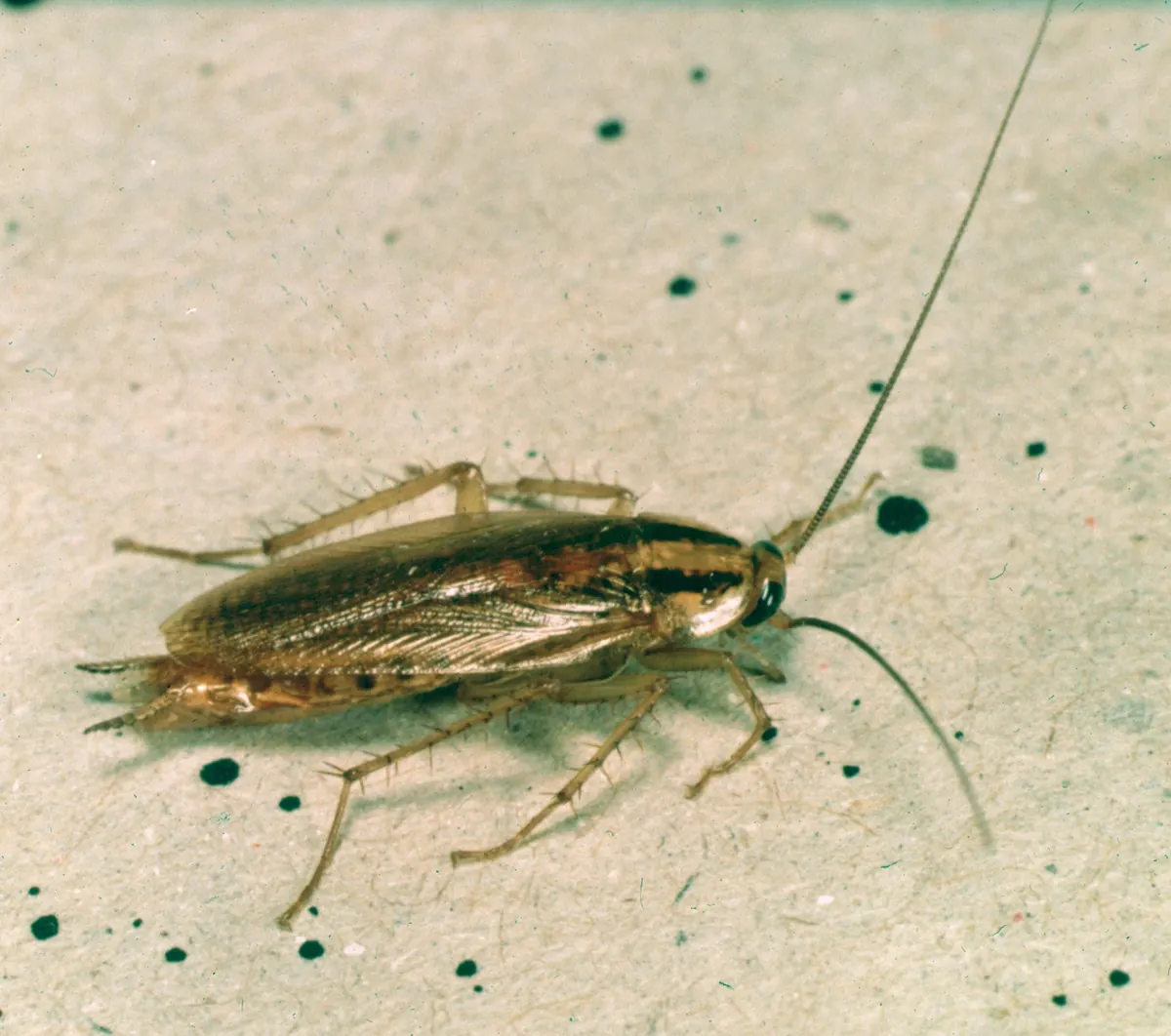
American and oriental roaches build up slowly indoors. UC IPM says they live outdoors and invade indoor spaces from time to time, while German and brownbanded roaches live and breed entirely indoors. It also says American roaches prefer warm, humid places above 82 F, and oriental roach nymphs can take 1 to 2 years or more to grow up. If you only see a few large roaches now and then, they may be wandering in from drains or the yard rather than breeding in your kitchen. Sealing entry points matters more than baiting in that case.
German roaches are different because they breed inside your home. Given the 70 to 100 day generation time above, a few can turn into a real problem within a season.
Frequently asked questions
How fast do German cockroaches multiply?
Faster than any other common pest roach. UC IPM says one female and her offspring can produce over 30,000 roaches in a year. Penn State gives over 10,000 descendants a year, assuming two generations. Both are ceilings for ideal conditions, not what a typical kitchen will see.
How many babies does one cockroach have?
It depends on the species. A German cockroach egg case holds about 30 young (UC IPM), and NC State says a female makes 5 to 8 cases, about 200 to 250 eggs in her life. An American cockroach case holds about 12 young.
If I see one cockroach, are there more?
Often, yes, because roaches hide in cracks during the day and come out at night. Put out sticky traps and check them daily for several days. Nymphs on the traps mean they are breeding in your home.
How long does it take for a cockroach infestation to start?
For German roaches, NC State puts one generation at 70 to 100 days from egg to egg-laying adult. By our arithmetic, one pregnant female's first young can be laying their own egg cases about 2 to 3 months after she arrives.
Do cockroaches multiply faster in summer?
German roaches live and breed entirely indoors, so the season outside matters less. UC IPM says they favor warm spots of 70 to 75 F, which a heated home offers all year.
Sources
- Pest Notes: Cockroaches, UC Statewide IPM Program
- Biology and Behavior of the German Cockroach, NC State Extension
- German Cockroaches, Penn State Extension
- Cockroach Elimination in Homes and Apartments (ENTFACT-614), University of Kentucky Entomology
- Cockroaches, National Pesticide Information Center (NPIC)
Spotted an error? See our corrections policy or email contact@pestanswered.com.

Pest Answered Editorial Team
Our editors research each guide from the listed sources and check every claim before publishing. Editorial policy
Emanuel Jaramillo
Expert Contributor, Pest Control
Emanuel Jaramillo has 12 years of hands-on pest control experience and is bilingual in English and Spanish. He contributes field tips and reviews our practical guides on pest signs, identification, prevention and…
Related guides
-
 Cockroaches
Do Cockroaches Die in the Winter? Indoor Roaches Don't. Here's What Changes
German cockroaches live indoors year-round and don't die off in winter. Outdoor species slow down or move inside. What cold does to each species, and what that means for control.
-
 Cockroaches
How Long After Treatment Do Roaches Die? A Realistic Timeline
A roach that eats bait usually dies within 1 to 3 days, but clearing an infestation takes weeks because eggs keep hatching. What to expect week by week, and when to call back.
-
 Cockroaches
Bugs That Look Like Cockroaches (and How to Tell Them Apart)
Ground beetles, wood roaches, camel crickets, water bugs and bed bugs get mistaken for cockroaches. Here's how to tell each one apart in under a minute.
-
 Cockroaches
Cockroach Eggs: What They Look Like, Where They Hide, and How to Get Rid of Them
Roaches lay eggs inside a brown, bean-shaped case about 1/4 to 3/8 inch long. What each species' egg case looks like, where to find it, how long it takes to hatch, and what kills it.