Do Mice and Rats Live Together? Rarely Side by Side, but You Can Have Both
 ✓ Reviewed by Emanuel Jaramillo
Published · Last reviewed · 5 min read
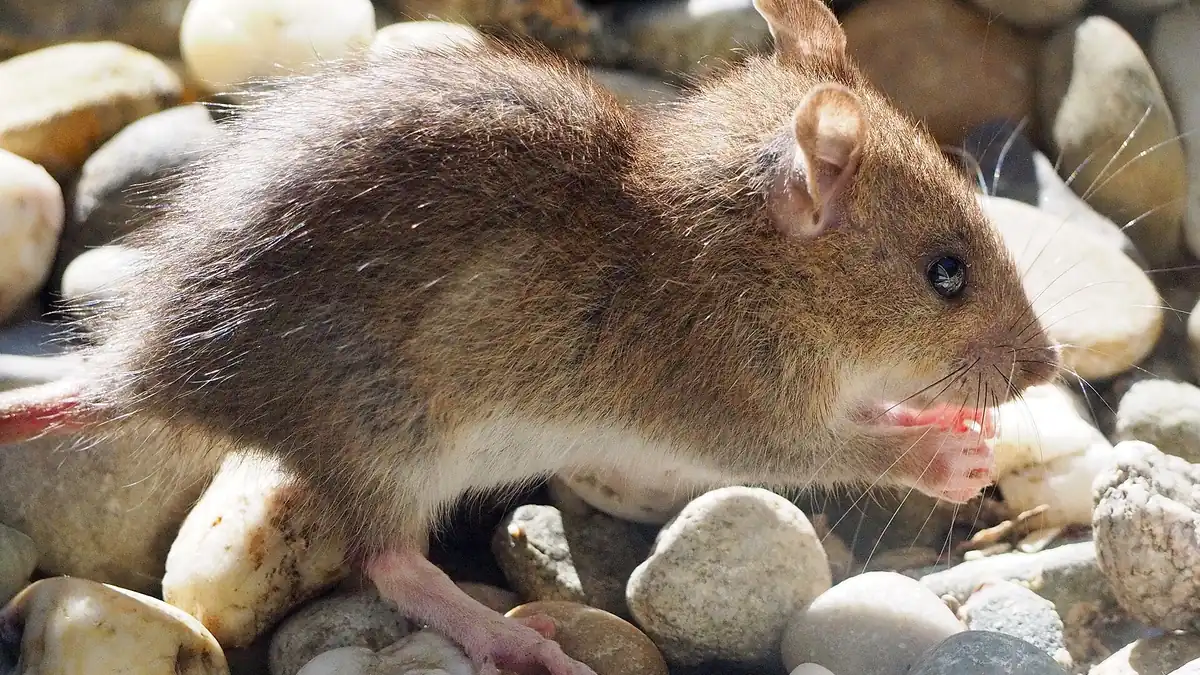
Mice and rats rarely live side by side, but you can have both in the same house. Rats are a threat to mice: Utah State Extension says rats prey on mice and compete with them for the same food and shelter (USU). So mice tend to stay out of the areas rats control. In a big enough building, each may hold its own territory.
The same manual adds a practical warning: removing the rats often results in higher and more visible numbers of house mice (USU). If your rat problem seems to turn into a mouse problem, that is why.
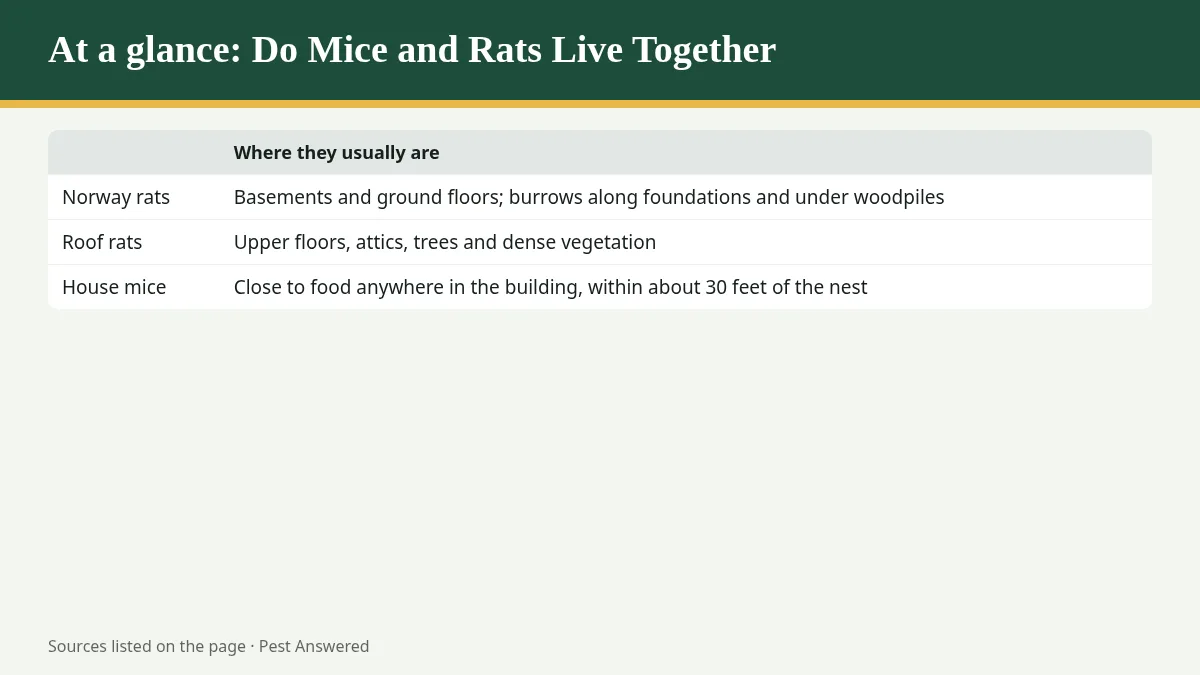 Graphic: summary of this guide, made by our team from the cited sources.
Where each tends to live in one building
| Where they usually are | Source | |
|---|---|---|
| Norway rats | Basements and ground floors; burrows along foundations and under woodpiles | UC IPM Rats |
| Roof rats | Upper floors, attics, trees and dense vegetation | UC IPM Rats |
| House mice | Close to food anywhere in the building, within about 30 feet of the nest | UC IPM House Mouse |
UC IPM notes that when both rat species infest the same building, Norway rats usually occupy the basement and ground floor and roof rats the upper floors (UC IPM Rats). Mice need far less space, so they can live in a kitchen cabinet base or a wall void that a rat would never use.
Why mice keep out of a rat's way
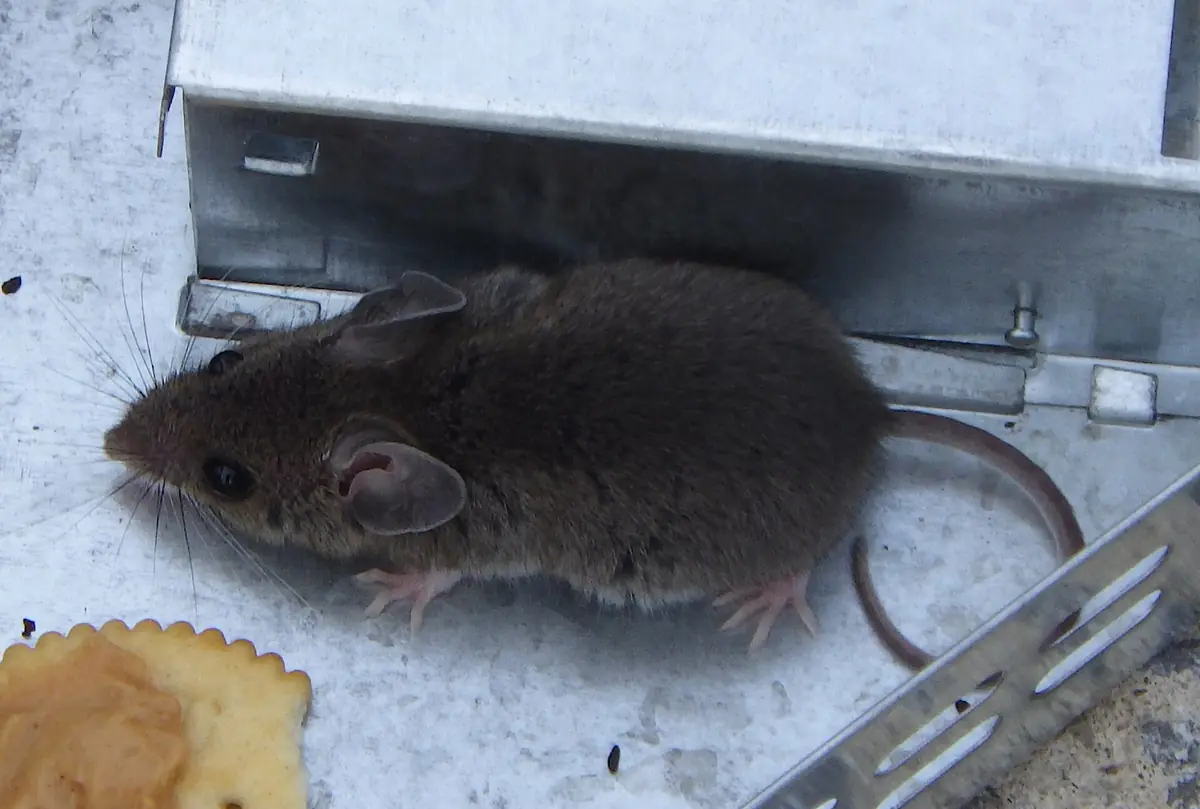
The size gap is big. A house mouse weighs about 1/2 ounce, while a roof rat weighs 5 to 10 ounces and a Norway rat 7 to 18 ounces (UC IPM House Mouse; UC IPM Rats). Rats prey on mice and compete with them for the same food and shelter (USU).
Rats also cover far more ground. Norway rats forage anywhere from 100 to 500 feet from the nest each night, and roof rats routinely travel 300 feet or more for food (UC IPM Rats). House mice seldom go more than 30 feet from their nest and food (UC IPM House Mouse). A mouse can live its whole life in one kitchen. That small range lets mice use corners of a building that rats do not patrol.
When you end up with both
You are more likely to have both when food and shelter are plentiful. Common setups:
- Roof rats in the attic, mice in the kitchen. Roof rats nest in attics, wall voids, ceiling voids and cabinets (UC IPM Rats). Mice stay close to food lower in the house.
- Norway rats under the slab or in the basement, mice upstairs. Norway rats burrow along foundations and under woodpiles, and indoors they usually stay in the basement and ground floor (UC IPM Rats).
- Autumn arrivals. Where house mice live outdoors, they often move into homes in autumn when nights get colder (UC IPM House Mouse). That can add mice to a house that already had rats outside.
- Outdoor food. Pet food, birdseed, fallen fruit and compost with meat or eggs feed rats (UC IPM Rats). Mice eat whatever food is available (UC IPM House Mouse).
Mice and rats cannot interbreed. UC IPM also notes that the two rat species cannot interbreed with each other (UC IPM Rats).
Signs you have both
Look for two sizes of evidence in different parts of the house.
| Sign | Mouse | Rat |
|---|---|---|
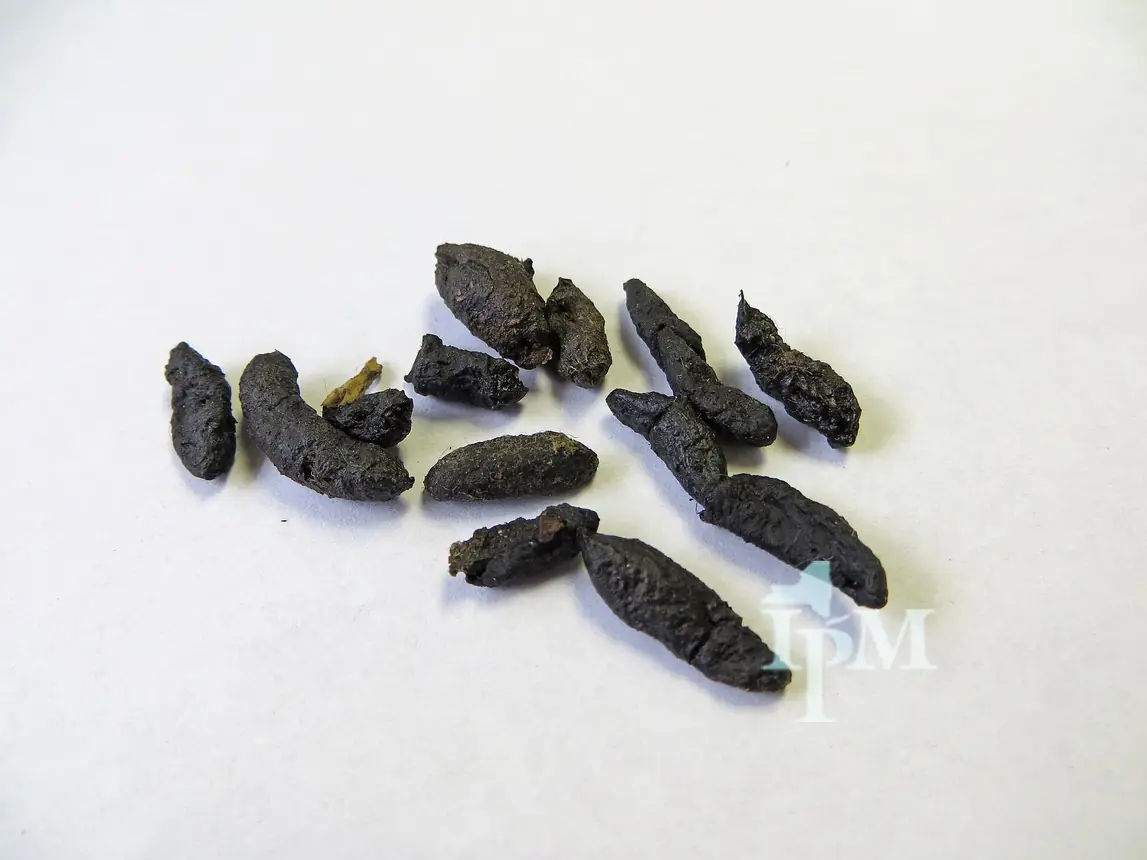
| Droppings | 1/8 to 1/4 inch, pointed | Roof rat about 1/2 inch; Norway rat 3/4 to 1 inch |
| Gnaw marks | about 1/12 inch (2 mm), scratchy | about 1/6 inch (4 mm) |
| Tracks | 3/8 to 3/4 inch | 3/4 to 1 1/4 inch |
| Noise at night | Light skittering, hard to hear | Louder gnawing and scrambling |
Sources: droppings from Cornell IPM; gnaw marks from UC IPM Rats; tracks and noise from USU.
One caution: a mix of small and large droppings in the same spot more likely means rats of different ages than both species. Young rats can be mistaken for mice; our guide on whether mice turn into rats explains how to tell a young rat from an adult mouse. For a broader comparison see mice vs rats: the differences.
Health risks from both
Each species brings its own list. UC IPM names typhus, leptospirosis, food-borne illness (Salmonella, E. coli, Campylobacter) and rat-bite fever as the most common rat-transmitted diseases (UC IPM Rats). House mice carry leptospirosis, Salmonella and lymphocytic choriomeningitis (LCM). UC IPM estimates about 5% of house mice in the U.S. carry the LCM virus (UC IPM House Mouse). Mouse urine is also a major allergen linked to early asthma in sensitive children (UC IPM House Mouse). Neither rats nor mice carry rabies (UC IPM Rats).
Clean up droppings and nests the wet way. The CDC says to wear rubber or plastic gloves, spray them with an EPA-registered disinfectant or a bleach solution (1 part bleach to 9 parts water) until very wet, let it soak for 5 minutes, and wipe up with paper towels. Do not sweep or vacuum, which can stir up particles (CDC).
How to deal with both at once
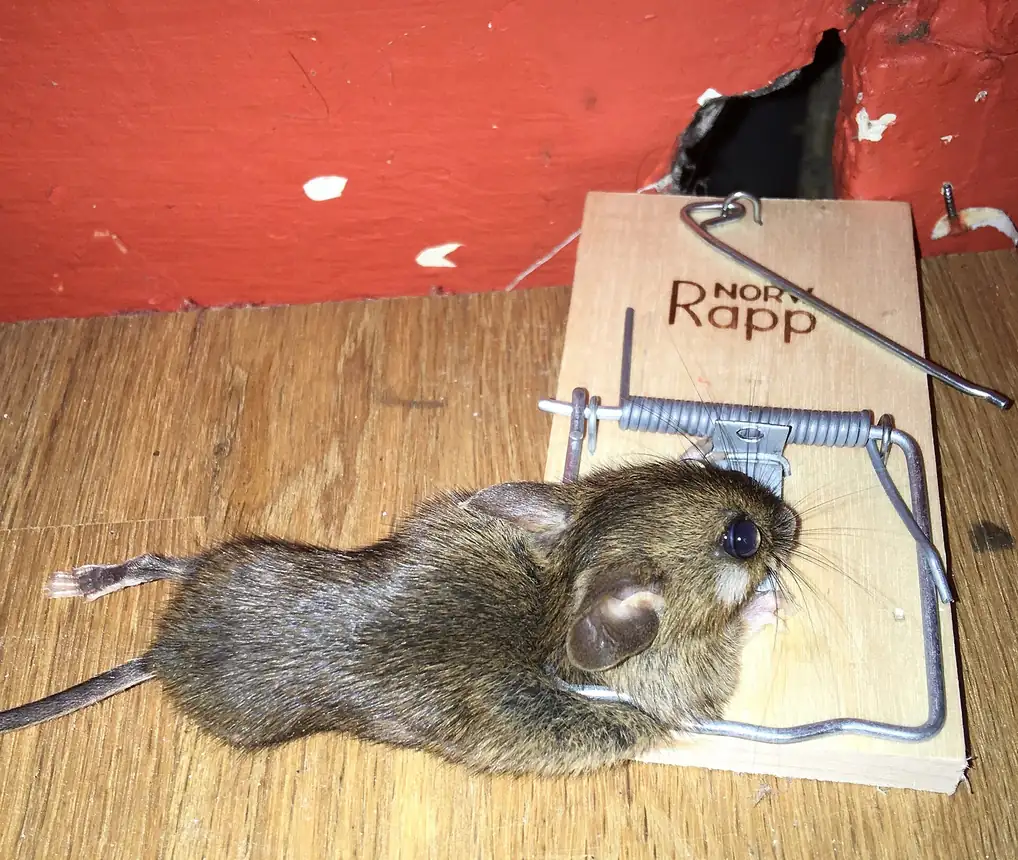
- Use both trap sizes. UC IPM says mice and small juvenile rats often won't trigger rat snap traps (UC IPM Rats). Put mouse traps where you find mouse signs and rat traps where you find rat signs.
- Give rats time. UC IPM says rats tend to avoid new objects for days, and suggests leaving rat traps baited but unset until the bait has been taken several times, so the rats don't become trap-shy (UC IPM Rats).
- Seal to the smaller animal. A mouse can squeeze under a 1/4-inch gap (UC IPM House Mouse), so sealing every gap above 1/4 inch keeps out both.
- Keep trapping mice after the rats are gone. Expect mouse activity to rise for a while once rats are removed, as Utah State warns.
- Remove shared food and cover. Secure pet food, birdseed and garbage, and clear clutter where both can nest.
Trap spacing differs for each animal:
| Mouse traps | Rat traps | |
|---|---|---|
| Spacing | No more than about 10 feet apart | About 10 to 20 feet apart |
| Placement | Along walls, behind objects, in dark corners; pairs 1 to 2 inches apart catch mice that jump | At right angles to the wall, trigger end nearly touching it; a dozen or more for a heavy infestation |
Sources: mouse figures from UC IPM House Mouse; rat figures from UC IPM Rats.
Seal with the right material. Use wire screen, coarse steel wool, sheet metal or concrete. UC IPM says plastic, rubber, vinyl, expanding foam and wood do not hold up against gnawing mice, and rats can chew through plastic, foam, wood and caulk (UC IPM House Mouse; UC IPM Rats). Roof rats climb, so check openings above ground level too, and cut back tree limbs within 6 feet of the roof (UC IPM Rats).
If you use rodenticide, follow the label. UC IPM warns that mice usually stay within 30 feet of the nest, so poisoned mice often die inside walls, where they cause odor (UC IPM House Mouse). Trapping avoids that.
Frequently asked questions
Do rats eat mice?
They can. Utah State Extension says rats prey on mice and compete with them for the same food and shelter.
If I have rats, can I also have mice?
Yes. A house or building can hold both, usually in different areas. Mice often become more visible after rats are removed.
Do mice leave when rats move in?
Mice tend to avoid areas rats use, but that doesn't mean they leave the building. They may just move to places rats don't go.
Can the same traps catch both?
Not well. UC IPM says mice and small young rats often won't trigger rat-sized snap traps, so use both sizes if you suspect both.
Sources
- IPM for Rats and Mice (School IPM manual, 2012), Utah State University Extension
- Pest Notes: Rats, UC Statewide IPM Program
- Pest Notes: House Mouse, UC Statewide IPM Program
- Mouse and Rat Biology and Behavior, Cornell University IPM
- Cleaning Up After Rodents, CDC
Spotted an error? See our corrections policy or email contact@pestanswered.com.

Pest Answered Editorial Team
Our editors research each guide from the listed sources and check every claim before publishing. Editorial policy
Emanuel Jaramillo
Expert Contributor, Pest Control
Emanuel Jaramillo has 12 years of hands-on pest control experience and is bilingual in English and Spanish. He contributes field tips and reviews our practical guides on pest signs, identification, prevention and…
Related guides
-
 Mice & Rats
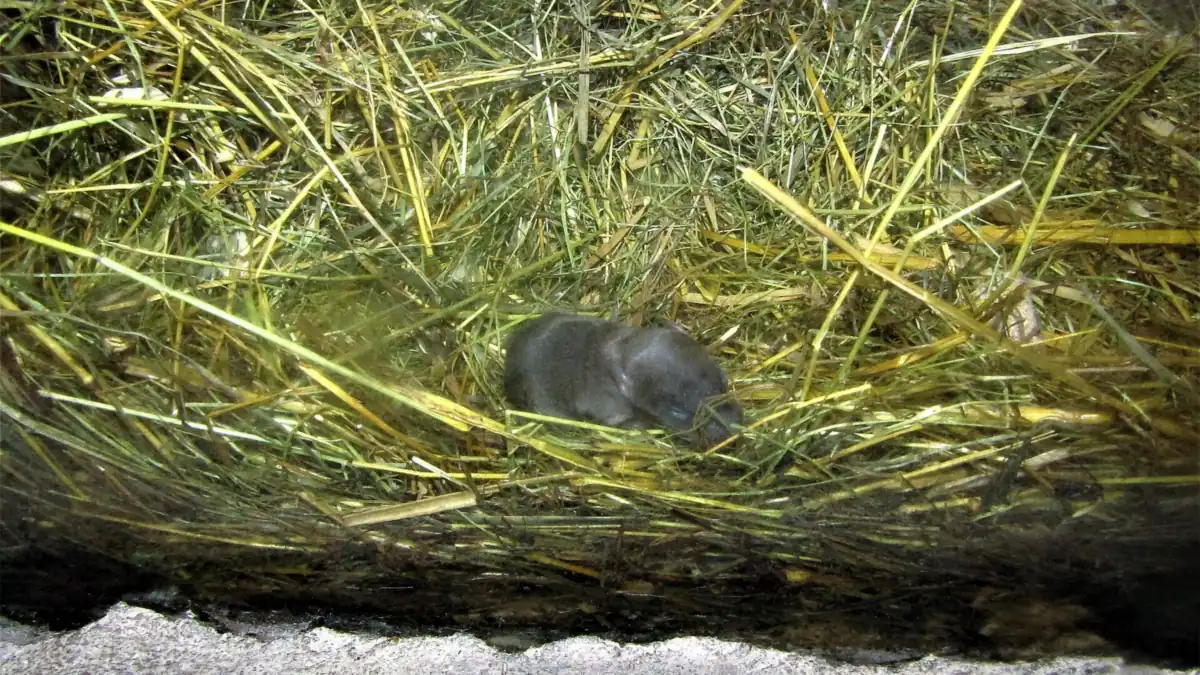
Do Mice Turn Into Rats? No. How to Tell a Young Rat From an Adult Mouse
Mice never grow into rats: they are different species with different chromosome counts. How to tell a young rat from an adult mouse by head, feet, droppings and gnaw marks.
-
 Mice & Rats
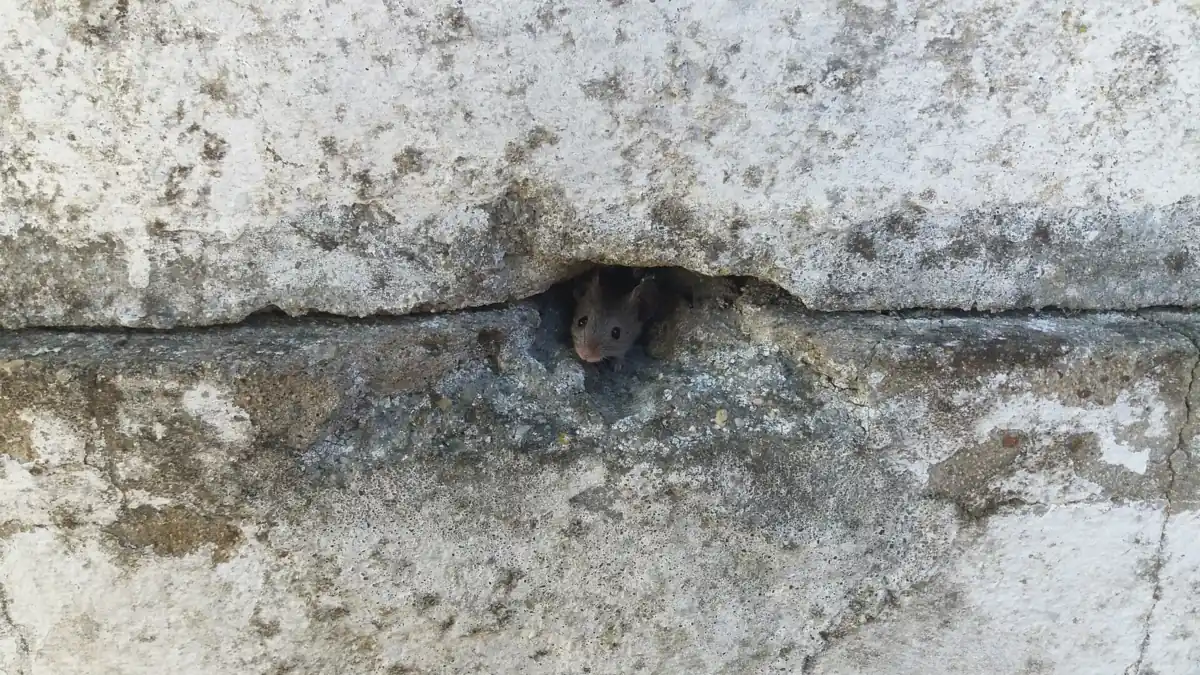
Mouse in the Wall? How to Confirm It and Get It Out Without Opening the Wall
Scratching in the wall at night is often mice. How to confirm it, why poison is a bad idea inside walls, and how to trap mice at the wall's exits and then seal the gaps.
-
 Mice & Rats
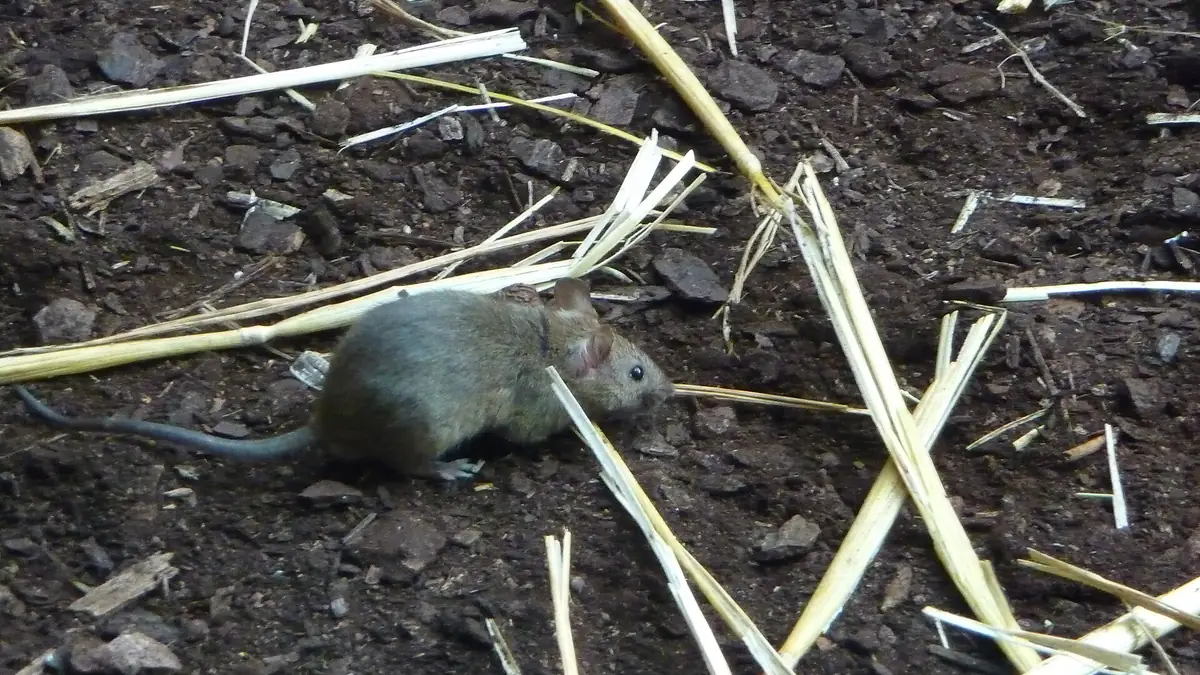
Can Mice Climb Walls? Yes. Here's What They Can and Can't Climb
Yes, house mice climb any rough wall: brick, wood, concrete, siding. See what they can't grip, how high they jump, and how to block their routes.
-
 Mice & Rats
Dead Mouse Smell: How Long It Lasts and How to Get Rid of It
A dead mouse smell usually fades once the body dries out, in about a few weeks. How to find the source, clean up safely per CDC, and what not to do.