Hearing Mice in the Walls but No Droppings? What It Could Be and How to Check
 ✓ Reviewed by Emanuel Jaramillo
Published · Last reviewed · 6 min read
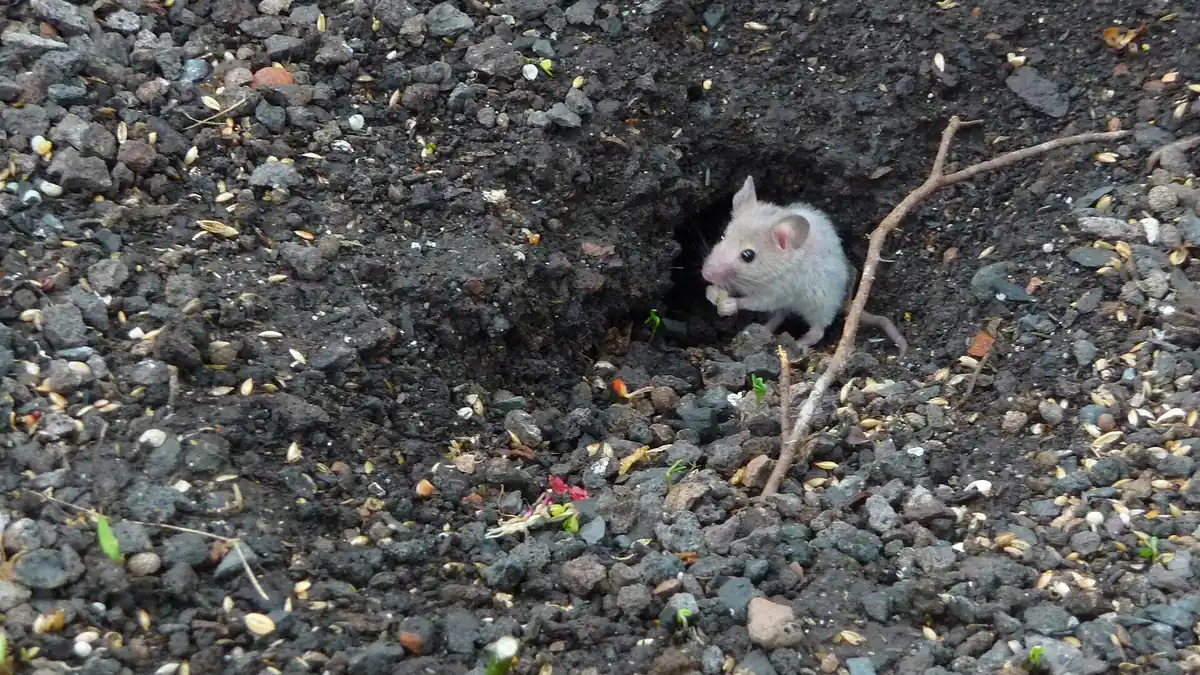
Hearing noise in a wall but finding no droppings usually means one of two things. Either mice are living and traveling inside the wall void and leaving their droppings there, out of sight, or the noise is coming from a different animal. Utah State Extension says squirrels and other animals make noises similar to rodents, and that you should confirm mice with other signs before you act (Utah State University Extension IPM manual).
This page walks through how to tell which it is without cutting open drywall.
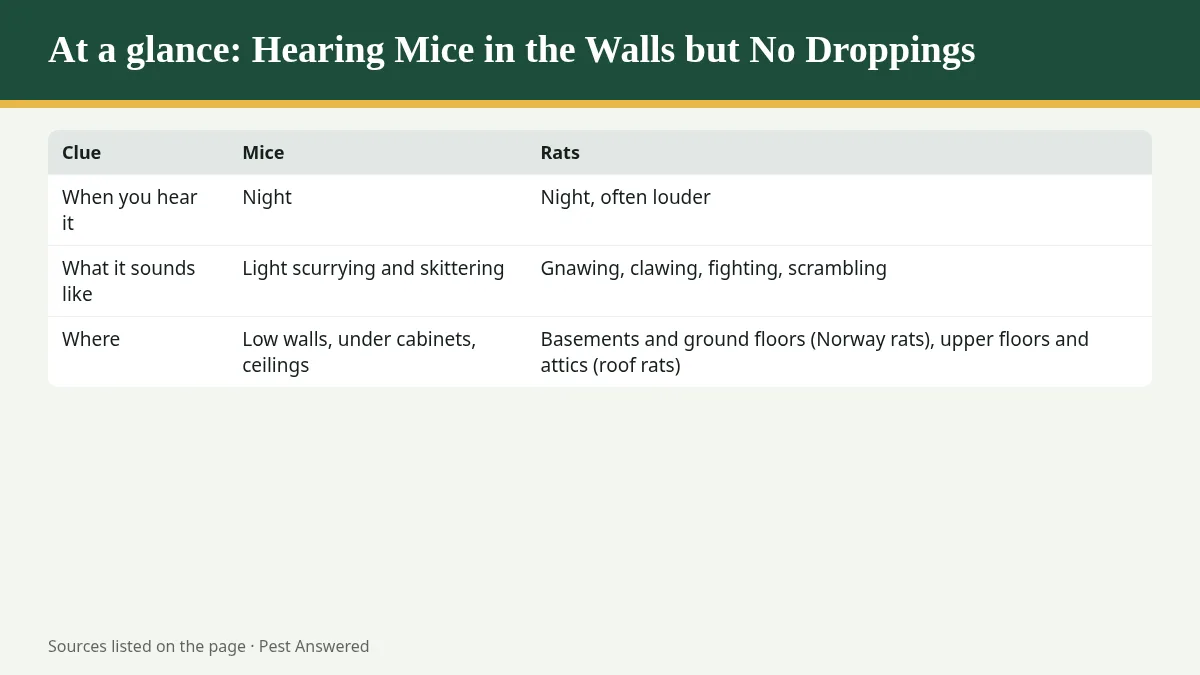 Graphic: summary of this guide, made by our team from the cited sources.
Why there may be no droppings where you look
- They stay in the wall. House mice nest in sheltered spots, including wall voids, and rarely travel more than 30 feet from the nest and food (UC IPM Pest Notes: House Mouse). If their food is in the garage or a crawl space, they may never come out into your living space.
- It is early. One or two mice that just moved in for the fall leave few droppings at first. UC IPM says house mice often enter homes in autumn.
- You are looking in the wrong place. Droppings collect along travel routes: on top of the sill plate in the basement, behind the stove's kick plate, in the back of the cabinet under the sink, in the attic along the top plates.
Signs of mice besides droppings
Droppings are the easiest sign, but not the only one. If you hear something but find no pellets, look for these:
| Sign | What it looks like | Where to look |
|---|---|---|
| Gnaw marks | Two parallel tooth marks about 1/16 inch across; bits of chewed wood, paper or packaging | Baseboards, cabinet backs, food boxes |
| Rub marks | Dark, greasy smudges from oil and dirt on the fur | Along pipes, beams and wall edges they travel |
| Nests | Shredded paper, insulation, fabric or cardboard | Boxes in storage, behind appliances, wall cavities |
| Smell | A musty or musky odor from urine | Closets, cabinets, near the wall where you hear noise |
| Chewed food | Many small nibbles from several packages | Pantry, pet food, birdseed |
Sources: gnaw marks and rub marks from Utah State; nests and musty smell from NC State Extension; musky odor in large or long-term infestations and nibbling from UC IPM.
Utah State says shredded paper or insulation that does not yet look like a nest usually means a nest is nearby.
Some "droppings" are not from mice. Bat droppings look similar, but when crushed they show shiny insect fragments under a magnifying glass, according to Utah State. If you find dark pellets with lengthwise ridges, they may be cockroach droppings. Utah State says rodent droppings are smooth.
How fresh is the evidence?
Old signs can mislead you. A previous owner's mice may have left droppings in the attic years ago. Utah State gives these clues:
- Fresh droppings are moist, soft and black, and look shiny.
- After a few days to a week they dry out, harden and turn dull.
- After a few weeks mouse droppings are hard, dry, and dull or whitish.
- An intact dead mouse means an active problem. An old dried body may only mean a past one.
Utah State suggests removing what you find so new droppings stand out on your next check. Use the CDC method: gloves, spray with disinfectant until wet, wait 5 minutes, wipe with paper towels. Do not sweep or vacuum (CDC rodent cleanup steps).
Match the noise to the animal
| Clue | Mice | Rats | Tree squirrels |
|---|---|---|---|
| When you hear it | Night | Night, often louder | Early morning and late afternoon |
| What it sounds like | Light scurrying and skittering | Gnawing, clawing, fighting, scrambling | Daytime activity, mostly in the attic |
| Where | Low walls, under cabinets, ceilings | Basements and ground floors (Norway rats), upper floors and attics (roof rats) | Attic and upper walls |
Sources: mice and rat sounds from Utah State; rat locations from UC IPM Pest Notes: Rats; squirrel timing from UC IPM Pest Notes: Tree Squirrels.
Utah State notes that a stethoscope can help pinpoint rodent activity inside a wall.
Five checks before you treat
- Write down when you hear it. Night points to rodents. Sunrise and late afternoon in the attic points to squirrels.
- Look in the hidden spots listed above with a flashlight. The National Park Service describes mouse droppings as about 1/8 to 1/4 inch, like small dark grains of rice (NPS Conserve O Gram on mouse and rat damage). The same guide suggests an ultraviolet (UV) flashlight, because mouse urine glows under UV. Many substances glow, though, so treat a glow as a clue only when other signs are nearby.
- Check outside. Look for chewed vents, gaps at the roofline, and tree branches touching the roof. UC IPM says squirrels often get into attics through gaps or broken vents and use overhanging trees and utility lines.
- Set a tracking test. Dust a thin line of flour or talc where pipes enter the wall under a sink. Footprints by morning confirm traffic; Utah State notes mouse tracks are 3/8 to 3/4 inch long and rat tracks 3/4 to 1¼ inch.
- Set snap traps as monitors. A few mouse traps along walls near the noise tell you quickly if mice are present.
Does one mouse mean more?
Often, yes, if it stays. A female house mouse can have 5 to 10 litters a year of about 5 or 6 pups each, and young mice can breed at 5 to 6 weeks old, according to UC IPM. Mice also leave a lot of evidence once settled. NC State says one mouse can produce 50 to 75 droppings a day. So if weeks pass with steady noise and still no droppings anywhere in the house, the animal may not be a mouse at all, or it lives entirely inside the wall and feeds somewhere hidden, such as a garage or crawl space.
Where mice get into walls
Mice squeeze under gaps 1/4 inch tall and through openings 3/8 inch wide. They can run up rough vertical surfaces and jump up to 12 inches onto a flat surface, according to UC IPM. Check these spots from outside and inside:
- Where pipes, wires and dryer vents pass through walls
- Gaps around the garage door and utility doors
- The sill plate along the top of the foundation in a basement or crawl space
- Openings under sinks where plumbing enters the wall
- Gaps at the roofline and torn vent screens
If it is mice
If you find pellets but aren't sure they're from mice, compare them with our guide to what mouse poop looks like.
Trap where they leave the wall, then seal the gaps once activity stops. Our step-by-step guide to a mouse in the wall covers trap placement and sealing. NC State describes compressing metal lath screen into holes and expanding its edges with a screwdriver so it fills the gap. Avoid poison in walls. UC IPM notes that mice usually stay within 30 feet of the nest, so poisoned mice often die inside the structure and cause an odor problem. Trapping avoids that.
For bait, NC State says peanut butter or honey can hold other foods on the trigger, and baiting a few traps with a cotton ball or string can catch females looking for nest material. It also says to check traps daily.
If it is squirrels or something else
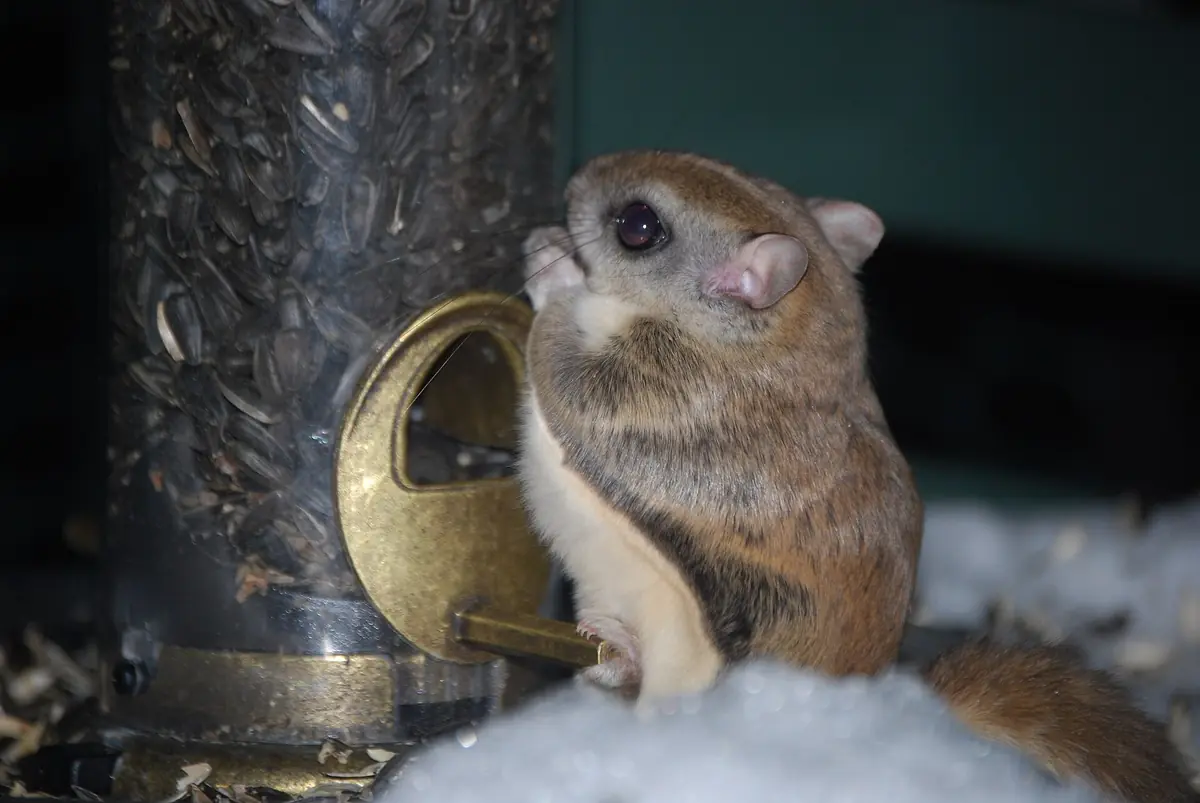
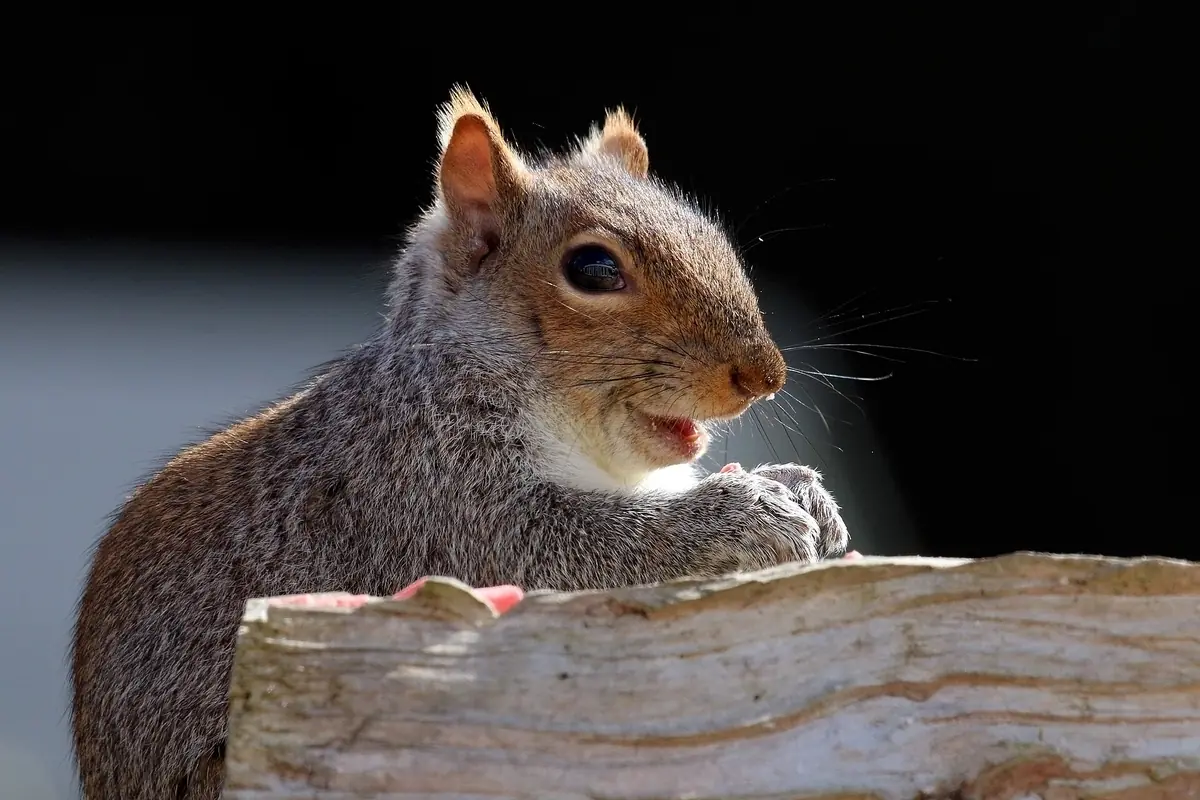
UC IPM says tree squirrels are most active in early morning and late afternoon. That timing is the easiest way to tell them from mice. One exception: UC IPM describes the flying squirrel as small and nocturnal, so night noise high in the house is not proof of mice. UC IPM recommends sheet metal or 1/4-inch hardware cloth to close their entry holes, and says to make sure no animal is inside before you seal it.
Squirrels in an attic need a different plan: exclusion after the animals are out, and possibly a licensed wildlife control operator. Local laws on trapping squirrels vary, so check with your state wildlife agency first. If weeks of checks turn up no tracks, no catches and no other signs, ask a pest professional for a non-invasive inspection before anyone opens the wall.
Frequently asked questions
Can you have mice without seeing droppings?
Yes. Mice that nest and travel inside wall voids, ceilings or under appliances can leave their droppings there, out of sight. A small or new infestation also leaves few droppings at first.
What else makes scratching noises in walls?
Squirrels, rats, bats and some insects can. Utah State Extension says squirrels and other animals make noises similar to rodents, so confirm with other signs before treating.
How can I tell squirrels from mice in the walls?
Timing helps. UC IPM says tree squirrels are most active in early morning and late afternoon, while mice are most active at night.
How do I check without opening the wall?
Put a few snap traps or a tracking surface such as a light dusting of flour near where pipes enter the wall, and check them each morning.
Sources
- IPM for Rats and Mice (School IPM manual, 2012), Utah State University Extension
- Pest Notes: House Mouse, UC Statewide IPM Program
- Pest Notes: Rats, UC Statewide IPM Program
- Pest Notes: Tree Squirrels, UC Statewide IPM Program
- Surveillance and Management of Common Structure-Invading Mice, NC State Extension
- Conserve O Gram 3/12: Identifying Mouse and Rat Damage, U.S. National Park Service
- Cleaning Up After Rodents, CDC
Spotted an error? See our corrections policy or email contact@pestanswered.com.

Pest Answered Editorial Team
Our editors research each guide from the listed sources and check every claim before publishing. Editorial policy
Emanuel Jaramillo
Expert Contributor, Pest Control
Emanuel Jaramillo has 12 years of hands-on pest control experience and is bilingual in English and Spanish. He contributes field tips and reviews our practical guides on pest signs, identification, prevention and…
Related guides
-
 Mice & Rats
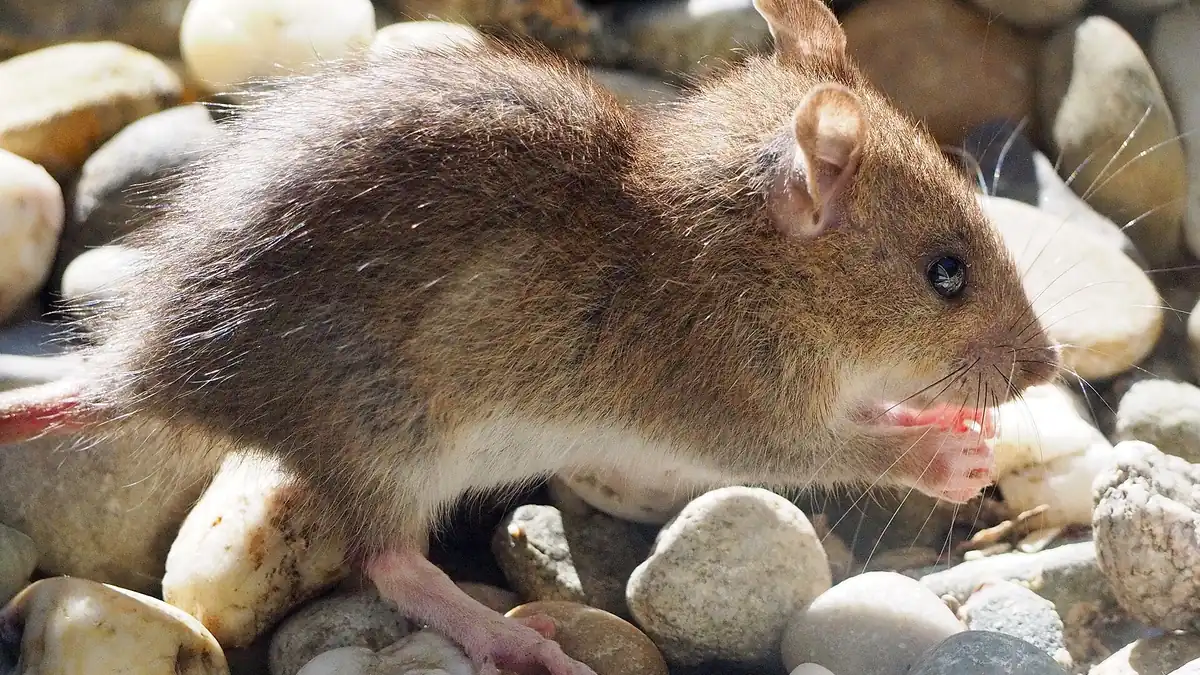
Do Mice and Rats Live Together? Rarely Side by Side, but You Can Have Both
Rats prey on mice and compete with them, so they rarely share space closely, but one building can have both. How to tell if you do, and why getting rid of rats can bring out mice.
-
 Mice & Rats
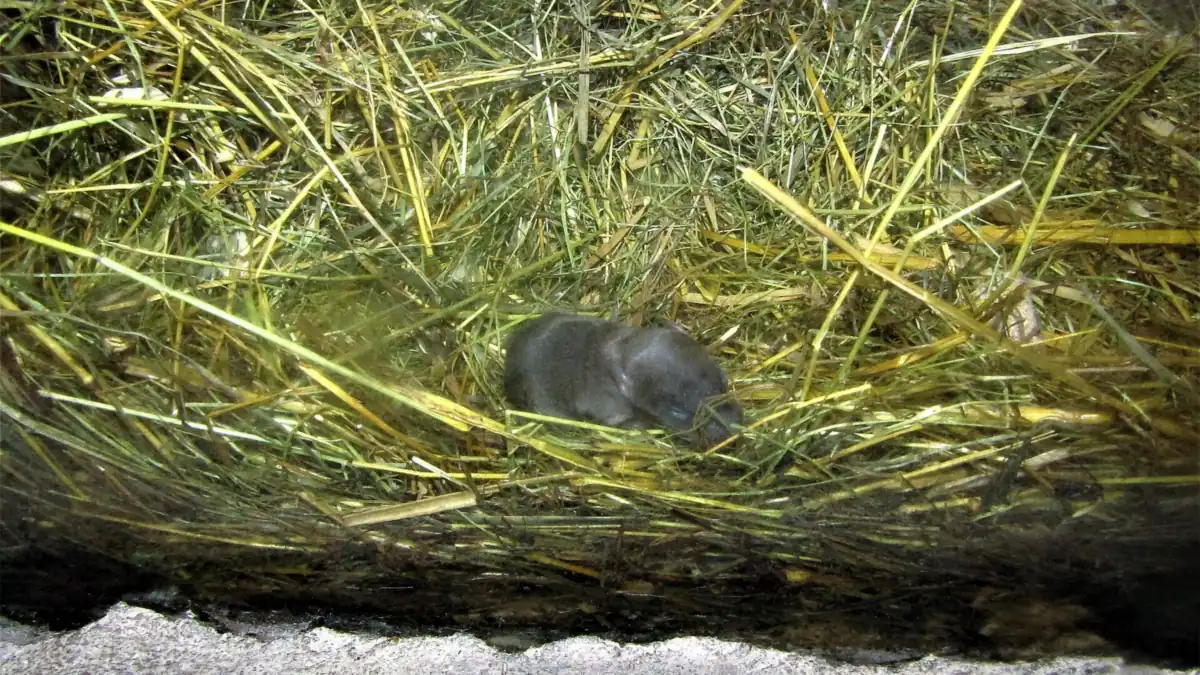
Do Mice Turn Into Rats? No. How to Tell a Young Rat From an Adult Mouse
Mice never grow into rats: they are different species with different chromosome counts. How to tell a young rat from an adult mouse by head, feet, droppings and gnaw marks.
-
 Mice & Rats
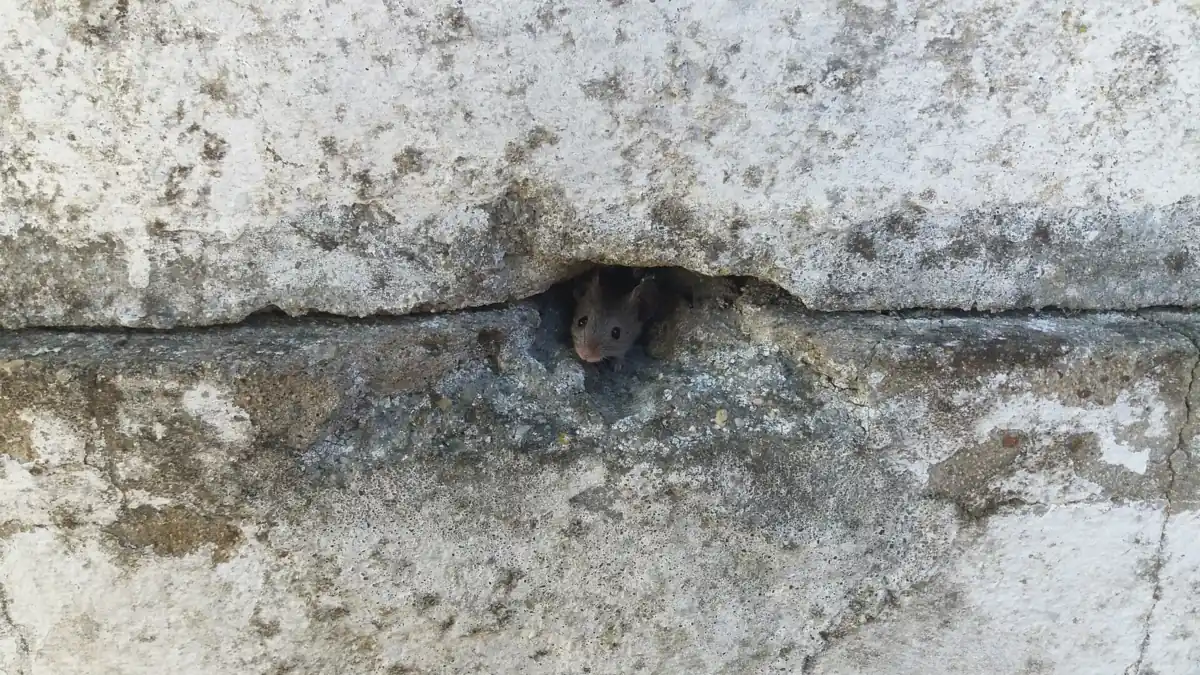
Mouse in the Wall? How to Confirm It and Get It Out Without Opening the Wall
Scratching in the wall at night is often mice. How to confirm it, why poison is a bad idea inside walls, and how to trap mice at the wall's exits and then seal the gaps.
-
 Mice & Rats
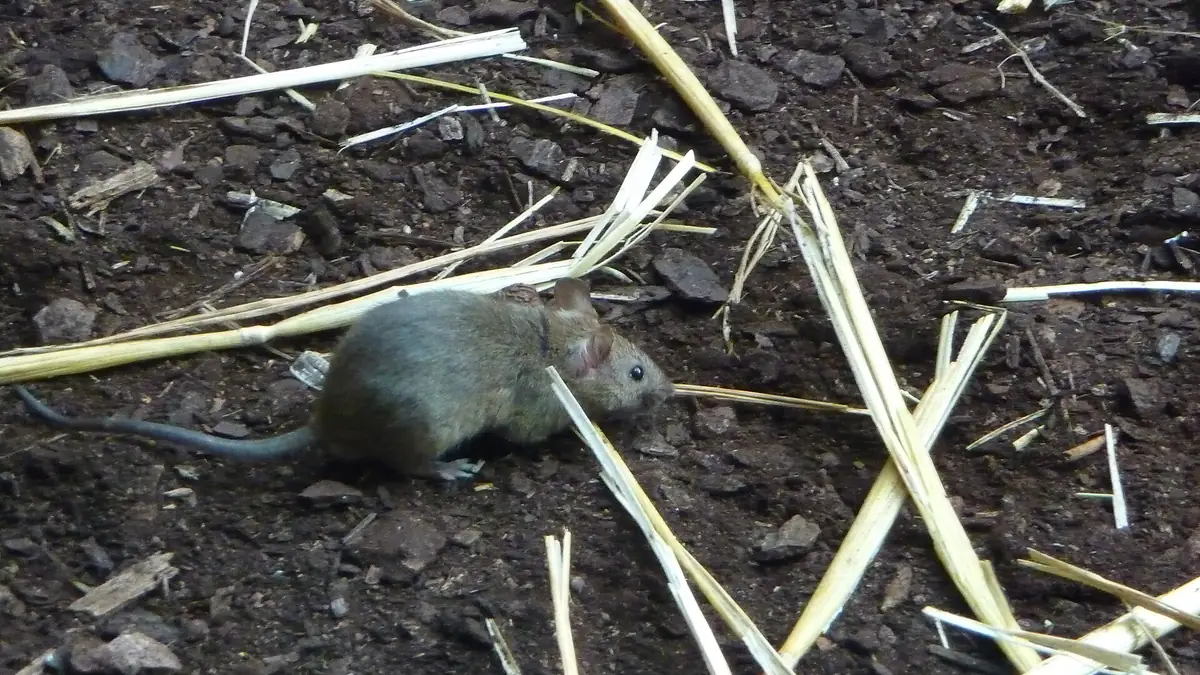
Can Mice Climb Walls? Yes. Here's What They Can and Can't Climb
Yes, house mice climb any rough wall: brick, wood, concrete, siding. See what they can't grip, how high they jump, and how to block their routes.